 +86 14775511065
  contact@mglled.com
The landscape of visual technology is shifting. As we move through 2026, the digital economy and the demand for Ultra-High Definition (UHD) video have pushed LED display technology to its limits. At the heart of this transformation is the COB LED display.
Long considered a premium, niche alternative to the ubiquitous Surface Mounted Device (SMD) technology, Chip-on-Board (COB) has officially hit its stride. Driven by a “triple threat” of technical maturity, massive capacity expansion, and aggressive cost reduction, COB is no longer just the future- it is the present, rapidly eroding the market share of traditional SMD LED displays.
This article explores why 2026 is the definitive turning point for the COB LED display and how it is redefining the standards of precision, integration, and reliability in the global LED display industry.
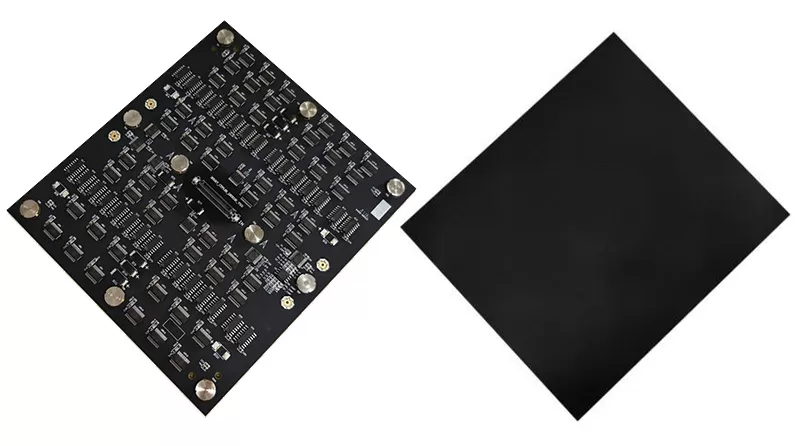
Technical Maturity: Building the Core Barriers.
The primary catalyst for the explosive growth of the COB LED display in 2026 is the stabilization and refinement of the manufacturing process. For years, COB was plagued by challenges in yield rates and color uniformity. Today, those hurdles are in the rearview mirror.
1. A Shift in Architecture: From SMD to COB
To understand why COB is winning, we have to look at the structural differences:
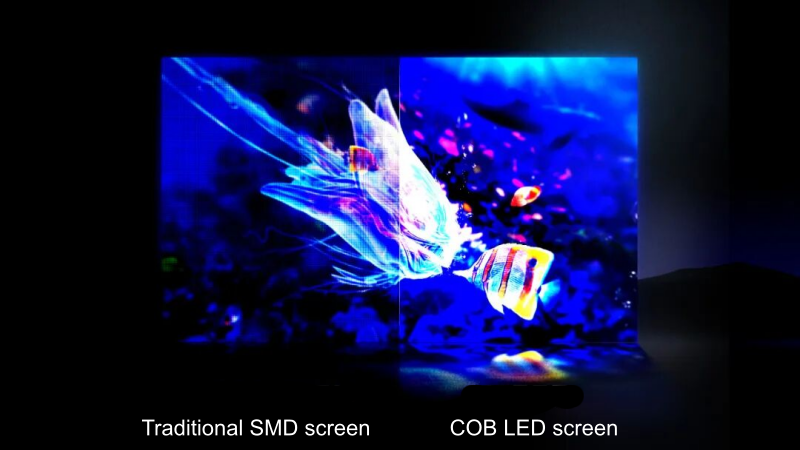
• SMD (Surface Mounted Device): The traditional ‘package then mount’ method. Individual LED lamps are packaged and then soldered onto a PCB. This creates a ‘point light source’ effect which can appear grainy at close distances.
• COB (Chip-on-Board): LED chips are directly mounted onto the PCB substrate and then encapsulated with a specialized organic resin. This creates a ‘surface light source’.
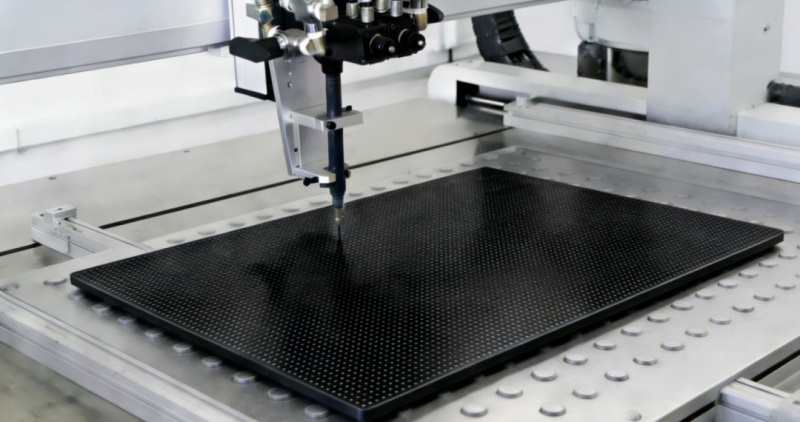
2. Key Technical Advantages of COB in 2026:
• Superior Optical Performance: COB LED displays eliminate the ‘screen door effect’ common in SMD. Because the light is emitted from a continuous surface, the image is softer, more uniform, and provides a wider viewing angle without color shift.
• Enhanced Reliability: Since the chips are entirely sealed in resin, they are protected from environmental hazards. COB LED displays are essentially ‘IP65-ready’ at the module level- resistant to dust, moisture, and physical impact.
• Advanced Heat Dissipation: In a COB LED display, the chip is in direct contact with the PCB. This shortens the thermal path significantly. By reducing the operating temperature, COB technology effectively extends the lifespan of the LED display and maintains color consistency over years of use.
The transition from SMD to COB is akin to moving from standard definition to 4K. It’s not just a marginal improvement; it’s a fundamental upgrade in how we perceive digital light.
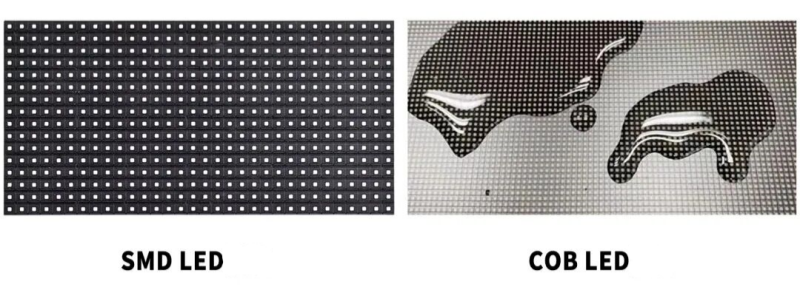
Capacity Expansion: The Scale Effect Takes Hold
Technological superiority means little if you can’t meet global demand. In 2026, the global production capacity for COB LED displays has reached an all-time high. Major manufacturers have pivoted their capital expenditure from traditional SMD lines to high-precision COB encapsulation lines.
Breaking the Monopoly of the Mid-to-Low End Market
Historically, SMD dominated the mid-to-low end markets because of its sheer volume and ease of manufacturing. However, the massive capacity surge in 2026 has:
1. Shortened Lead Times: Projects that previously waited months for high-end COB modules are now seeing delivery cycles comparable to SMD.
2. Increased Availability: COB is no longer restricted to bespoke command centers. It is now readily available for high-end retail, corporate lobbies, and even educational environments.
3. Supply Chain Synergy: The entire ecosystem- from chip makers to driver IC designers- has optimized for COB. We are seeing a ‘virtuous cycle’ where increased capacity lowers component costs, which in turn fuels more demand.
While some critics point to lower-than-expected utilization rates in some newer factories, the industry consensus is clear: building for the future is better than being left behind. The current surplus in capacity is a strategic buffer that allows COB to aggressively pursue SMD’s territory in large-scale infrastructure projects.
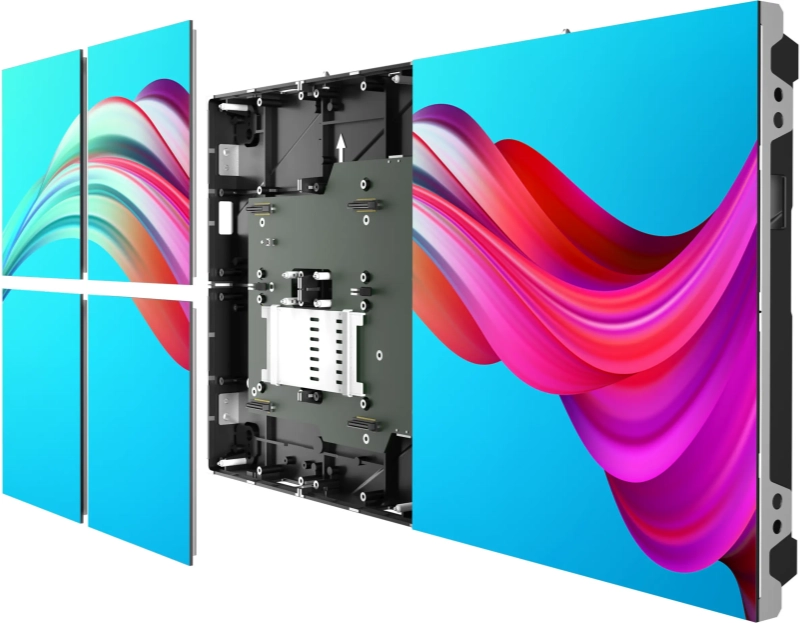
Cost Reduction: Lowering the Barrier to Entry
In any technology war, price is the ultimate weapon. In 2026, the price gap between a high-quality SMD LED display and a COB LED display has narrowed to the ‘tipping point’.
1. How the Costs Were Slashed
The reduction in COB prices isn’t due to corner-cutting; it’s a result of engineering efficiency:
• Micro-chip and Mass Transfer Technology: Breakthroughs in mass transfer (the process of moving thousands of tiny LED chips onto the PCB) have drastically reduced labor costs and increased yields.
• Material Savings: COB eliminates the need for the plastic brackets and gold wires used in SMD packaging. By removing these components, manufacturers save on raw material costs- savings that are passed down to the end-user.
• Process Optimization: The production steps for COB are roughly one-third fewer than those for SMD. Fewer steps mean fewer points of failure and lower manufacturing overhead.
2. Market Share Evolution
In 2025, COB technology accounted for roughly 24.9% of the small-pitch and micro-pitch LED market, with a market value exceeding 1.4 billion USD. In 2026, that percentage is projected to skyrocket. As the price ratio between COB and SMD approaches 1.2:1, the maintenance benefits and visual superiority of COB make it the logical choice for almost any professional installation.
COB vs. SMD: A Comparative Analysis
To better understand the market shift, let’s look at how these two technologies stack up in 2026:
Triple Drive: The Industry Reshuffle
The convergence of Technical Maturity, Capacity Expansion, and Cost Reduction is creating a perfect storm. This triple drive is not just growing the COB LED display market; it is fundamentally restructuring the LED display industry.
1.Application Scenarios: From Command Centers to Living Rooms
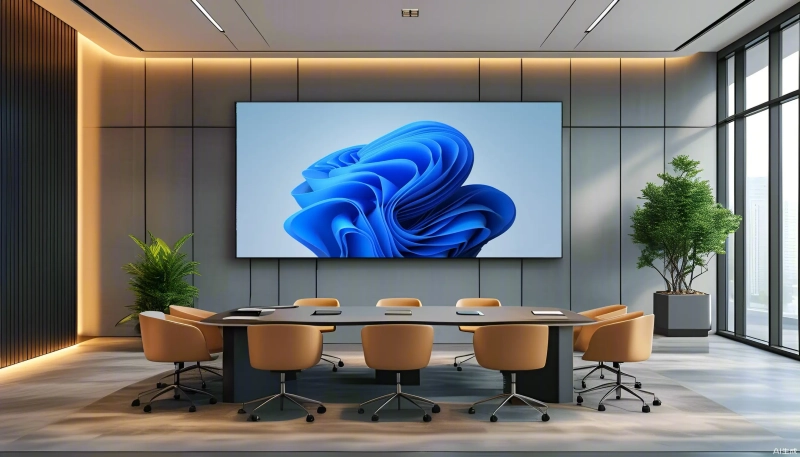
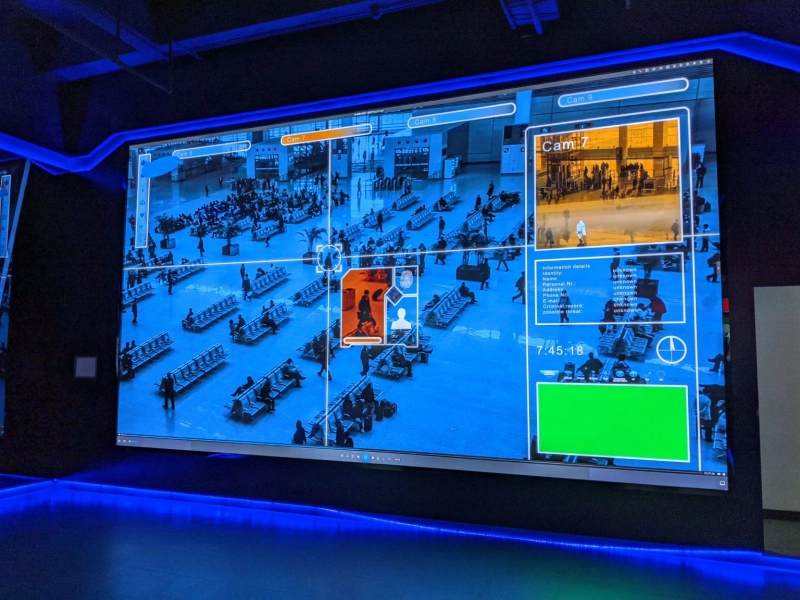
• To-B (Business) Sector: This remains the primary engine. Control rooms, broadcasting studios, and high-end conference rooms are now almost exclusively COB-centric. The rise of XR virtual filming has also favored COB LED display due to its lack of moiré patterns.
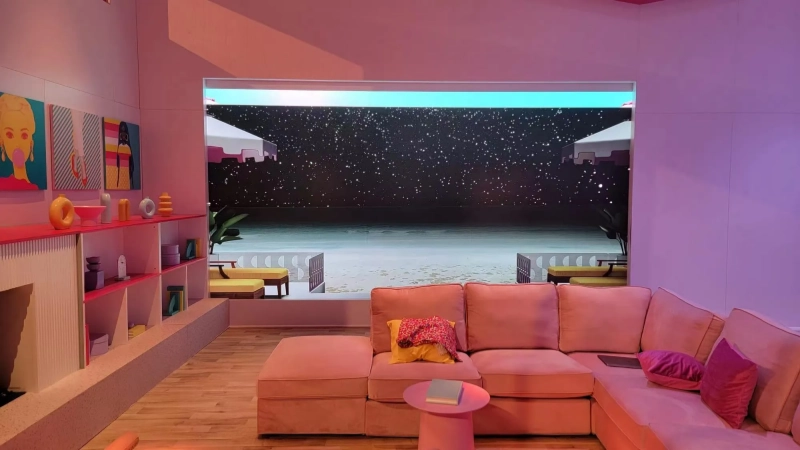
• To-C (Consumer) Sector: 2026 marks the beginning of COB’s entry into the luxury home cinema market. With AI-driven control systems and Micro LED-adjacent performance, COB is becoming the ‘gold standard’ for LED screens larger than 110 inches.
2.The AI Integration Factor
Modern COB LED displays are increasingly paired with AI-powered processing units. These units use deep learning to:
1. Enhance Resolution: Upscaling content to match the ultra-fine pixel pitch of COB.
2. Color Calibration: Automatically adjusting the LED screen based on ambient lighting and content type.
3. Predictive Maintenance: Identifying potential chip failures before they happen, further boosting the reliability of the COB architecture.
The Road to Micro LED and Beyond
While COB is the star of 2026, it is also a vital stepping stone toward Micro LED. The manufacturing techniques perfected for COB- especially flip-chip bonding and mass transfer- are the same technologies required to make Micro LED commercially viable.
As COB continues to erode SMD’s market share, we are entering an era of “Precision, Integration, and Full-Scenario Coverage.” SMD will likely remain the king of outdoor advertising and low-budget, large-pitch LED displays for the foreseeable future. However, for anything requiring a pixel pitch below P1.2, the COB LED display is the undisputed champion.
Conclusion
The year 2026 will be remembered as the ‘COB Acceleration Year’. The transition from a niche, high-end luxury to a mainstream powerhouse is complete. With the digital economy requiring ever-more immersive and reliable visual interfaces, COB is uniquely positioned to meet the challenge.
For buyers and integrators, the message is clear: if you are looking for longevity, visual fidelity, and a future-proof investment, the COB LED display is no longer just an option- it is the standard. As we look toward the end of the decade, the integration of AI and further refinements in Micro LED processes will only continue to solidify COB’s dominance in the global LED display ecosystem.