 +86 14775511065
  contact@mglled.com
Introduction
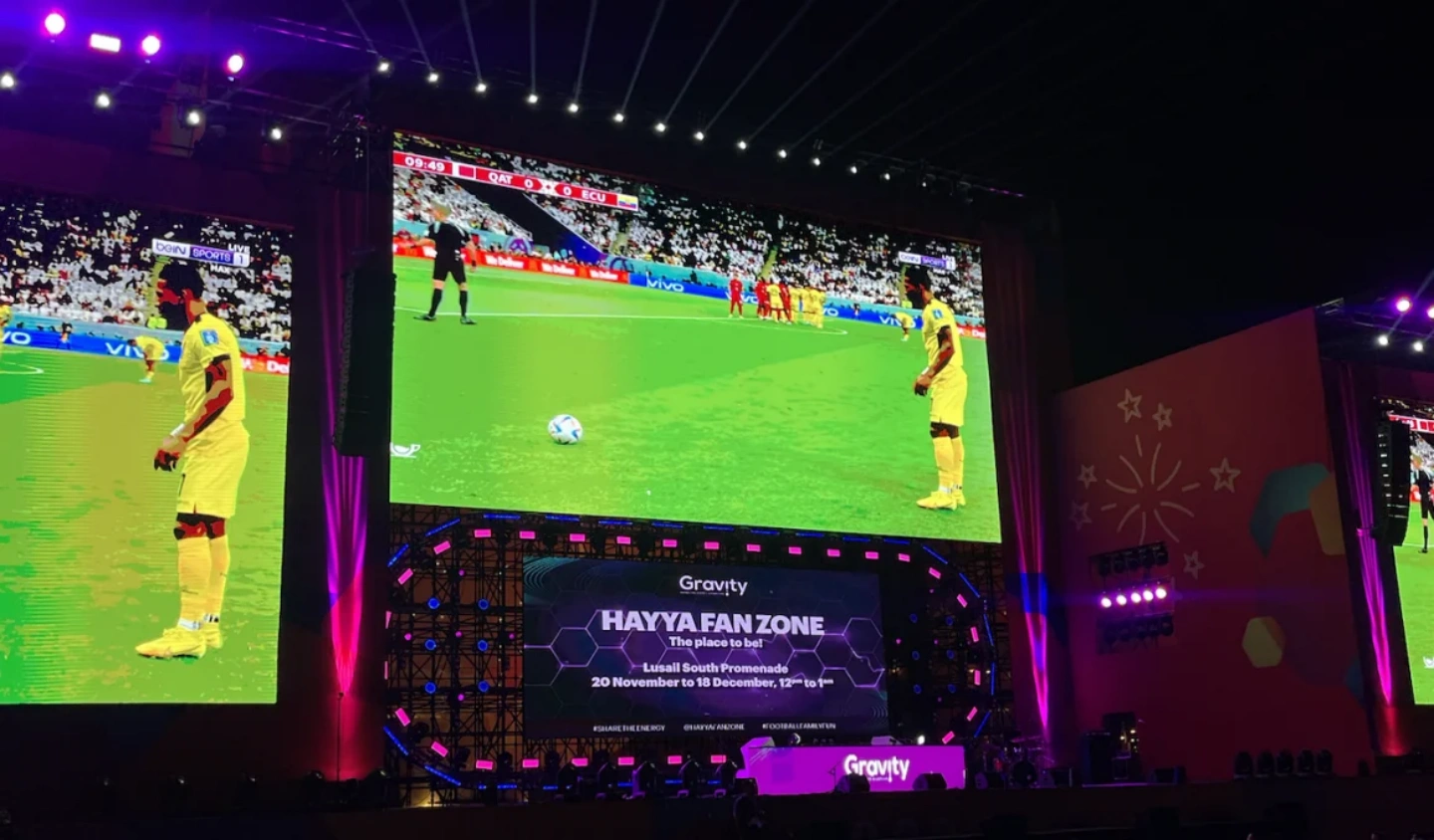
Imagine a World Cup match night. The stadium lights dim, the crowd begins to roar, and a massive LED screen bursts into life with national flags, player close-ups, live statistics, sponsor animations, and countdown visuals. Around the pitch, LED perimeter boards flash with global brands. Above the stands, giant video walls replay every goal, every save, and every controversial VAR moment in vivid color. Outside the stadium, thousands of fans gather in public viewing areas, watching the same drama on huge outdoor LED screens.
LED displays have become central to the modern FIFA World Cup because they help organizers communicate with tens of thousands of people inside a venue and millions more watching through cameras. From stadium LED screens and LED perimeter advertising to fan zones, digital scoreboards, and creative installations, LED display technology now shapes how fans see, feel, and remember the tournament.
For the FIFA World Cup 2026 and beyond, LED technology is becoming even more important. With larger stadiums, more matches, global sponsors, and higher expectations for fan engagement, World Cup LED displays are now part of the event’s identity.
A Brief History of LED Technology in the World Cup
1. Evolution from traditional scoreboards to full-color LED screens
The visual journey of the World Cup has changed dramatically. Early stadiums relied on traditional scoreboards that showed only basic information such as time, score, and team names.
As stadium technology improved, electronic scoreboards and video boards began to appear in major sports venues. The development of full-color LED displays changed the industry because LEDs offered higher brightness, better color performance, wider viewing angles, and longer service life than many older display systems. This made them suitable for large outdoor stadiums where sunlight, distance, and weather are major challenges.
2. Technological advancements over the years
By the 2000s and 2010s, LED screens had become a standard part of modern football stadiums. The World Cup gradually moved from simple score displays to complete visual ecosystems: main screens, ribbon boards, perimeter advertising boards, media façades, and fan-zone LED video walls. The use of VAR from the 2018 tournament also increased the importance of stadium LED screens, because fans needed clear visual communication when key decisions were reviewed.
The technology itself has advanced quickly. Pixel pitch has become finer, refresh rates have improved, brightness levels have increased for daylight visibility, and energy efficiency has improved through better LED chips, power systems, and control technology.
Key Applications of LED Displays in the World Cup
1. Stadium Perimeter Boards and Scoreboards
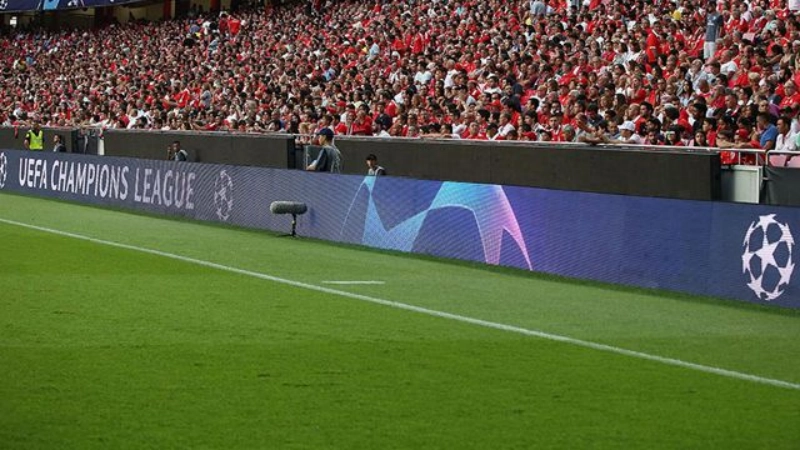
LED perimeter boards are among the most valuable display assets in football. Positioned around the pitch, they provide premium visibility for sponsors and advertisers. Unlike static banners, LED perimeter advertising can rotate multiple brands, display animated content, and adapt messaging to different match moments.
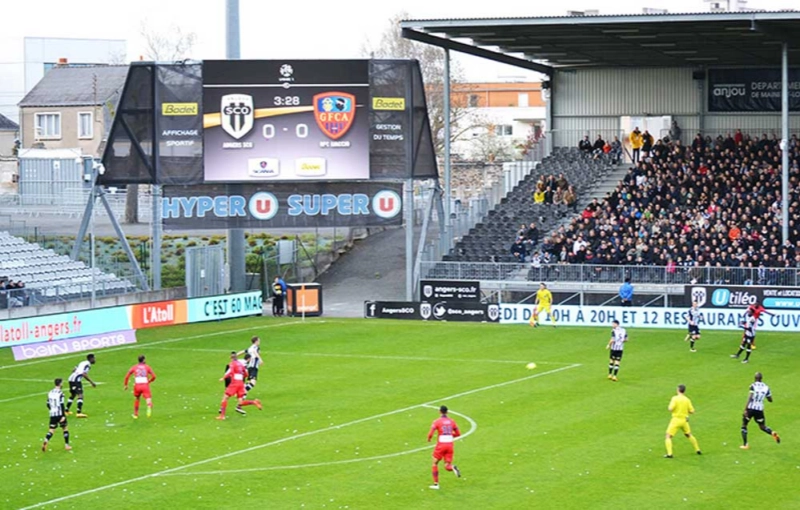
Scoreboards and timing displays remain essential, but modern systems do much more than show the score. They can present lineups, substitutions, added time, statistics, cards, and emergency announcements. In a stadium with tens of thousands of fans, clear real-time information is part of safety, communication, and entertainment.
2. Huge Video Walls and Main Screens
Giant LED video walls are the emotional center of the stadium experience. They show player entrances, national anthems, live match footage, goal replays, fan cams, VAR explanations, sponsor videos, and celebration graphics.
For spectators sitting far from the pitch, these screens bring the action closer. During VAR reviews, the main screen also helps fans understand what is happening.
3. Fan Zones and Public Viewing Areas
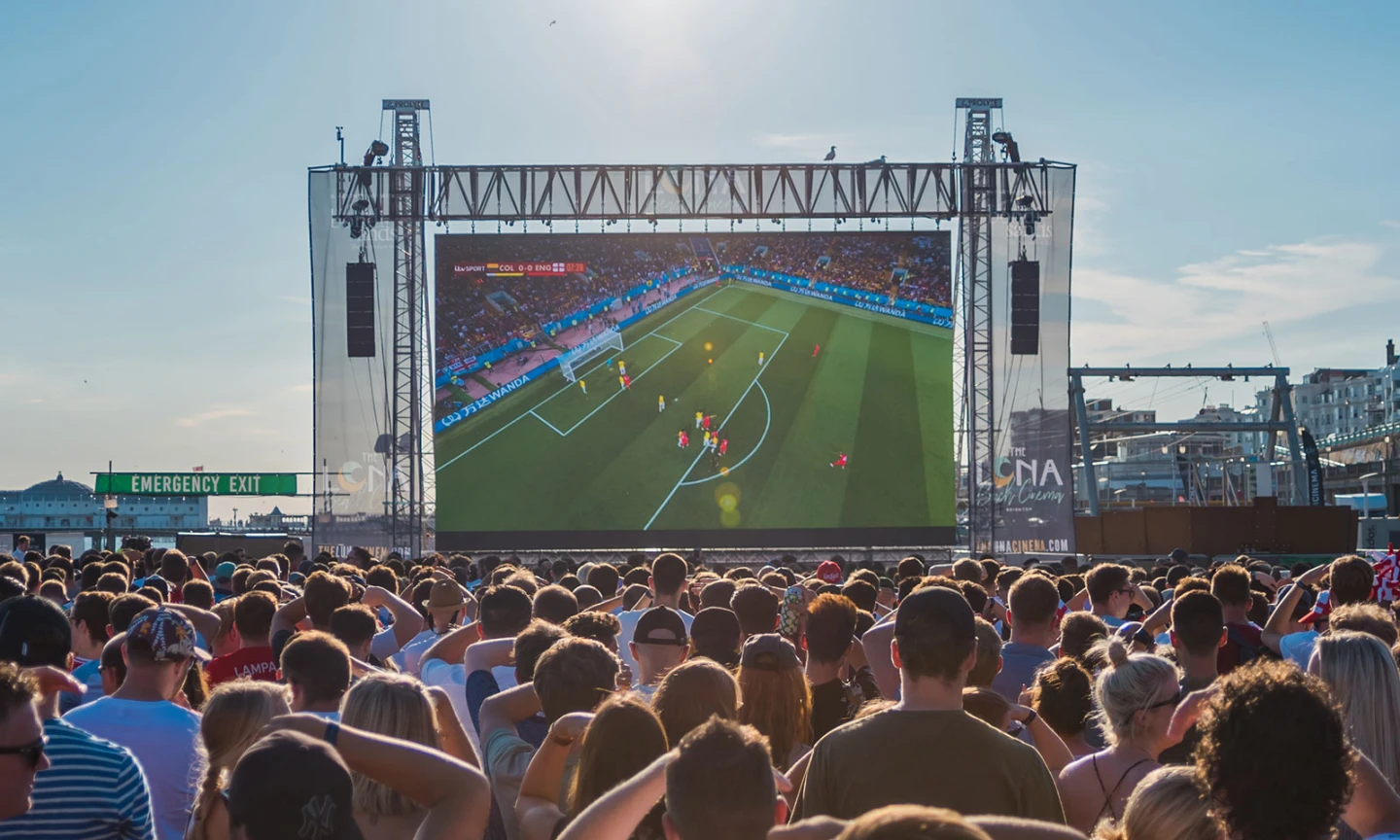
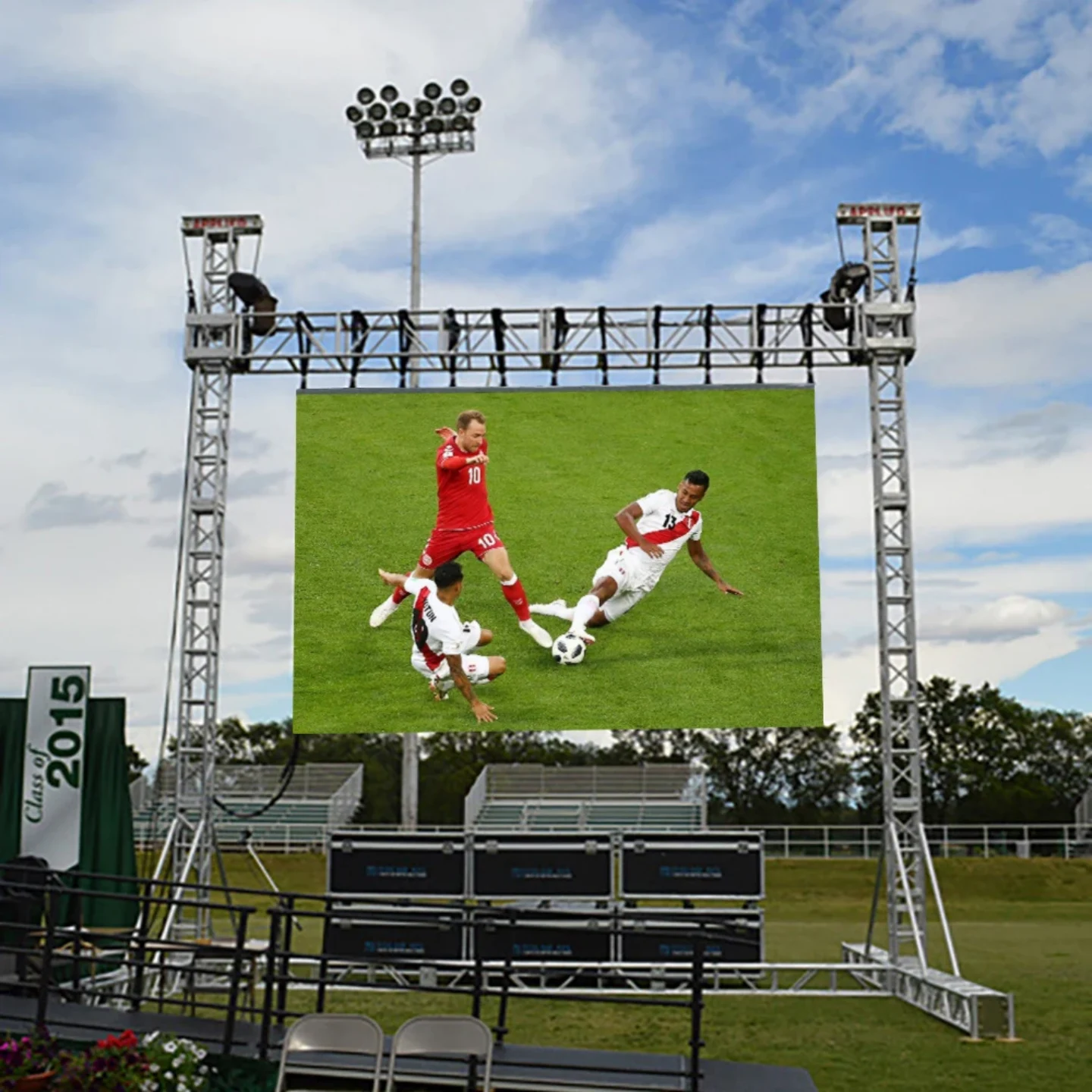
The World Cup is not limited to stadiums. Fan zones and public viewing areas are major parts of the tournament culture. Outdoor LED screens allow thousands of fans to watch matches together in city squares, parks, cultural areas, and temporary event spaces.
These screens need high brightness, strong weather resistance, stable structure, and wide viewing angles. For many fans who cannot get match tickets, the LED video wall becomes the World Cup.
4. Digital Advertising and Creative Installations
The World Cup is one of the most powerful advertising platforms in global sport. LED displays give sponsors dynamic visibility before, during, and after matches. Brands can use motion graphics, countdowns, localized messages, social media prompts, and real-time campaign updates.
Beyond standard screens, creative LED installations are becoming more popular. Curved LED displays, transparent LED screens, LED tunnels, architectural façades, and interactive entrance displays can transform stadium spaces into branded experiences. These installations are useful for hospitality areas, media zones, VIP entrances, and sponsor activations.
Technical Advantages of LED Displays for Mega-Events
Mega-events require technology that can perform under pressure, and LED displays offer several practical advantages.
1. Superior Brightness and Visibility
LED screens provide superior brightness and visibility. Outdoor stadiums and fan zones often operate in direct sunlight or changing weather. High-brightness LED displays can remain visible in daytime and deliver rich color at night.
2. High Refresh Rates
high refresh rates are essential for sports. Football is fast, and cameras are everywhere. Professional sports LED displays are designed for smooth motion, camera compatibility, and stable playback.
3. Durability and Weather Resistance
durability matters. World Cup venues may face rain, heat, dust, wind, transportation stress, and continuous operation. Outdoor LED displays with proper waterproofing, cabinet structure, ventilation, and maintenance access are built for these conditions.
4. Energy efficiency and sustainability benefits
LED technology supports energy efficiency. Modern LED systems can offer better brightness control, lower power consumption at adjusted settings, and longer usable life. For event organizers facing sustainability requirements, this is an important advantage.
5. Flexibility and Modular Design
LED displays are flexible. Modular cabinets can be combined into different sizes and shapes. Rental LED panels can be installed, dismantled, and reused across events. Curved, right-angle, lightweight, and transparent options make it possible to adapt displays to complex stadium architecture.
How LED Screens Enhance Fan Experience
A great World Cup experience is not only about the 90 minutes on the pitch. It is about anticipation, emotion, participation, and memory. LED screens help connect all these moments.
1. Real-time engagement and immersion.
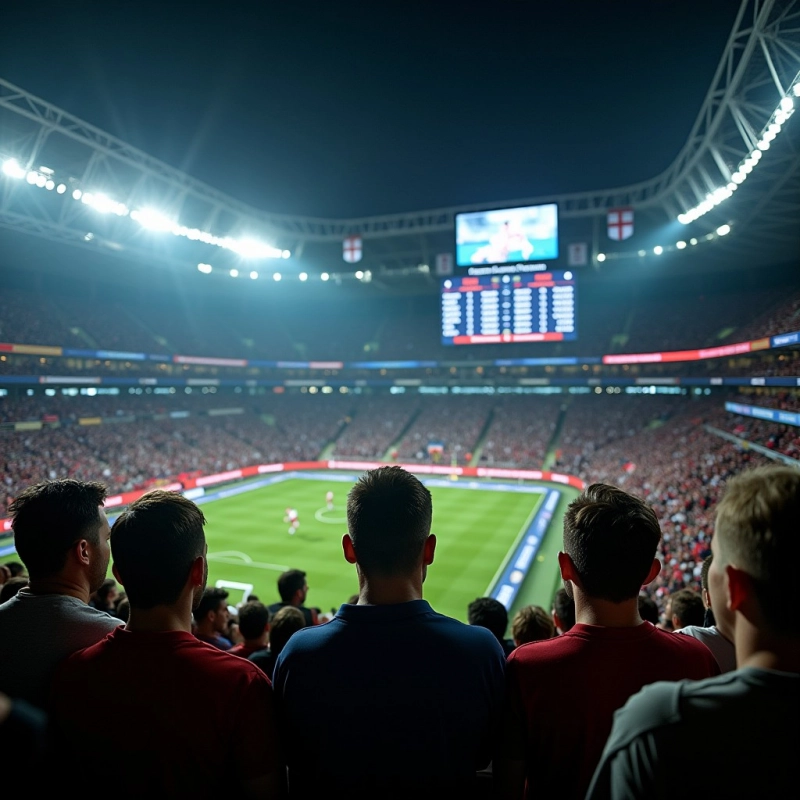
Before kickoff, LED displays build atmosphere with countdowns, team videos, historical highlights, and crowd prompts. During the match, they provide instant replays, statistics, and close-ups that help fans follow the details. After a goal, they amplify the emotion with animations, player graphics, sponsor moments, and crowd shots.
2. Interactive features and augmented reality integration.
Interactive features are also becoming more important. Fan cams, live polls, social media walls, augmented reality graphics, and mobile-app integrations can turn spectators into active participants. Instead of simply watching, fans become part of the visual show.
3. Emotional impact through replays, celebrations, and crowd visuals.
LED screens also improve accessibility. In large stadiums, not every spectator has a perfect view of the pitch or referee decisions. Clear screens help fans see replays, lineups, substitutions, safety information, and event instructions. For international crowds, LED displays can also support multilingual messaging.
The emotional value is powerful. Fans may forget the exact seat number, but they remember seeing their team’s flag fill the stadium screen, watching a last-minute goal replay, or appearing on the fan cam with thousands cheering. LED displays help create those shared memories.
Economic and Business Impact
LED displays are not only a technical investment; they are a business engine.
1. Revenue generation through sponsorship and advertising.
For sponsors, LED perimeter boards and stadium screens provide high-impact visibility to both in-stadium audiences and broadcast viewers. Animated digital content attracts attention more effectively than static signage, especially during high-emotion moments such as kickoff, goals, substitutions, and full-time celebrations.
2. ROI for stadium owners and event organizers.
For stadium owners and event organizers, LED displays can create multiple revenue streams. Advertising slots can be sold to different sponsors. Fan-zone screens can support food, beverage, tourism, and local brand activations. Hospitality areas can use LED video walls to improve premium experiences. After the World Cup, many LED systems can continue generating value through concerts, league matches, corporate events, and public screenings.
3. Case studies from recent World Cups.
Recent World Cups show how important the commercial side has become. The 2022 tournament in Qatar demonstrated the scale of fan festivals, public viewing, and digital engagement around football. In 2026, with more teams, more host cities, and more matches, digital display infrastructure becomes even more valuable.
4. Market growth of LED display industry driven by sports events.
The LED display industry also benefits from mega-events. Stadium upgrades, temporary rental projects, fan zones, sponsor activations, control systems, and maintenance services all create demand. Sports events push manufacturers to develop brighter, lighter, more reliable, and more energy-efficient products.
Challenges
Despite the advantages, LED display projects for the World Cup are complex. Stadium LED screens must be carefully engineered for viewing distance, weight load, wind resistance, maintenance access, camera angles, and safety regulations. A screen that works well in a showroom may not automatically perform well in a 60,000-seat stadium.
1. Installation complexities and costs.
Cost is an issue. High-quality LED systems require investment in cabinets, modules, control systems, power distribution, structures, calibration, spare parts, and technical support. However, the right system should be evaluated through total value, not only purchase price. Reliability, service life, advertising income, energy use, and reuse potential all affect ROI.
2. Technical reliability under pressure.
Technical reliability is critical. During a World Cup match, there is no room for failure. Manufacturers and integrators must prepare backup systems, spare modules, redundant power and data solutions, professional calibration, and fast maintenance plans. Testing before the event is just as important as installation.
3. Environmental considerations and regulations.
Environmental considerations are also increasing. Leading LED manufacturers address these concerns through energy-saving designs, lightweight cabinets, recyclable packaging, durable products, and systems that can be reused after the tournament.
Future Trends: LED Displays in World Cup 2026 and Beyond
The future of World Cup LED displays will be more immersive, intelligent, and sustainable.
1. 8K/16K resolution, MicroLED, and finer pixel pitches.
Finer pixel pitches will continue to improve image quality. In premium indoor areas, media studios, control rooms, VIP lounges, and broadcast backdrops, MiniLED and MicroLED technologies will enable sharper visuals and deeper contrast. For large outdoor stadiums, the balance between pixel pitch, brightness, cost, and viewing distance will remain important.
8K and even 16K content workflows may become more common in flagship venues. These ultra-high-resolution systems will influence main video walls, broadcast production, and premium fan experiences.
2. Integration with 5G, AI, and AR/VR.
5G, AI, and AR will also change how LED displays are used. Real-time data can support instant statistics, player tracking visuals, personalized advertising, and interactive fan content. AI may help optimize brightness, monitor screen health, schedule content, and detect technical issues before they become visible.
3. Sustainable and transparent LED technology.
Transparent LED and creative LED will expand in hospitality and commercial spaces. Stadium entrances, glass façades, retail zones, and sponsor booths can use transparent displays to create futuristic experiences without blocking architecture or natural light.
Sustainability will shape buying decisions. Future World Cup venues will look for LED systems that reduce energy consumption, support long service life, and can be reused across multiple events.
Conclusion
LED displays have transformed the FIFA World Cup into a global visual experience. They inform fans, energize stadiums, support sponsors, improve accessibility, and create unforgettable emotional moments.
From stadium LED screens and LED perimeter advertising to outdoor fan-zone video walls and creative digital installations, LED technology is now part of the World Cup’s storytelling power. It connects the pitch, the crowd, the sponsors, and the broadcast audience into one shared experience.
For event organizers, stadium owners, AV rental companies, and brands, investing in the right LED display solution is no longer only about showing content. It is about creating engagement, generating revenue, improving operations, and building a modern sports venue that can serve many events beyond the World Cup.
As the FIFA World Cup 2026 and future tournaments continue to raise expectations, one thing is clear: the brighter, smarter, and more immersive the screens become, the more powerful the fan experience will be. LED displays are not just changing how the World Cup looks. They are changing how the world experiences football.
As LED display manufacturer and solution provider, Megalight LED is always your reliable partner of football LED display applications.