+86 14775511065
  contact@mglled.com
What are those ‘water ripple’ patterns on the LED display? Their scientific name is “Moiré patterns.” When photographing objects with a digital camera, intricate textures often produce inexplicable water-like stripes, these are Moiré patterns. Simply put, Moiré patterns are a manifestation of the principle of interference.

1. What is refresh rate?
When we were children, we all watched animated movies. In fact, it is the effect of high-speed playback of many pictures. One action is divided into many actions, each action is a frame, and there is a progressive relationship between each frame. When these pictures are played at high speed, due to the visual residual of the human eye, they will feel that these pictures are integrated.
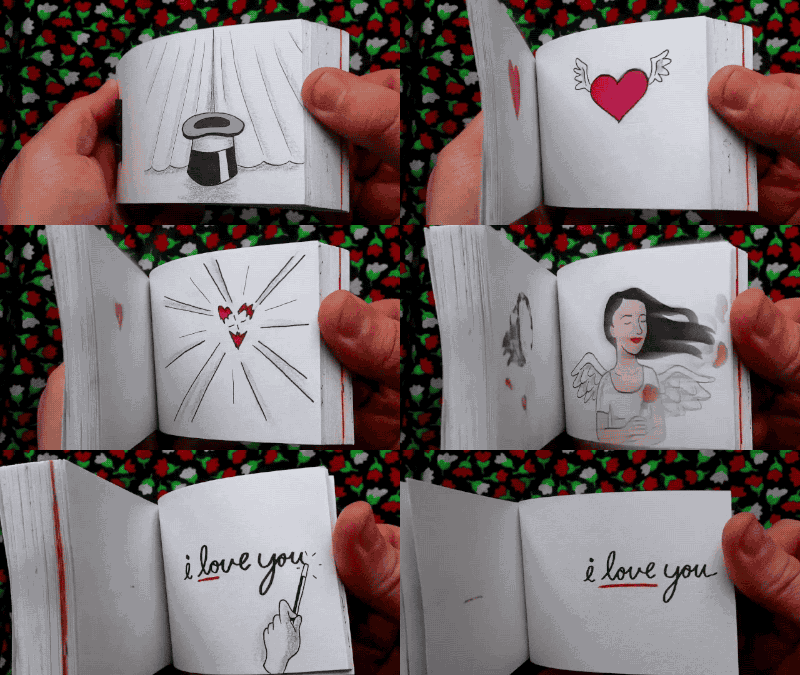 The more frames an animation is split into, the finer the detail becomes. The faster the rate at which each frame transitions, the smoother the visual continuity. Refresh rate refers to the scanning speed of these frames, so a faster scanning speed results in a more stable image. The unit of measurement for this speed is Hz (Hertz). Hz is the unit of frequency in the International System of Units (SI), representing the number of periodic cycles per second. A higher number indicates a higher refresh rate.
2. Visual perception of the human eye.
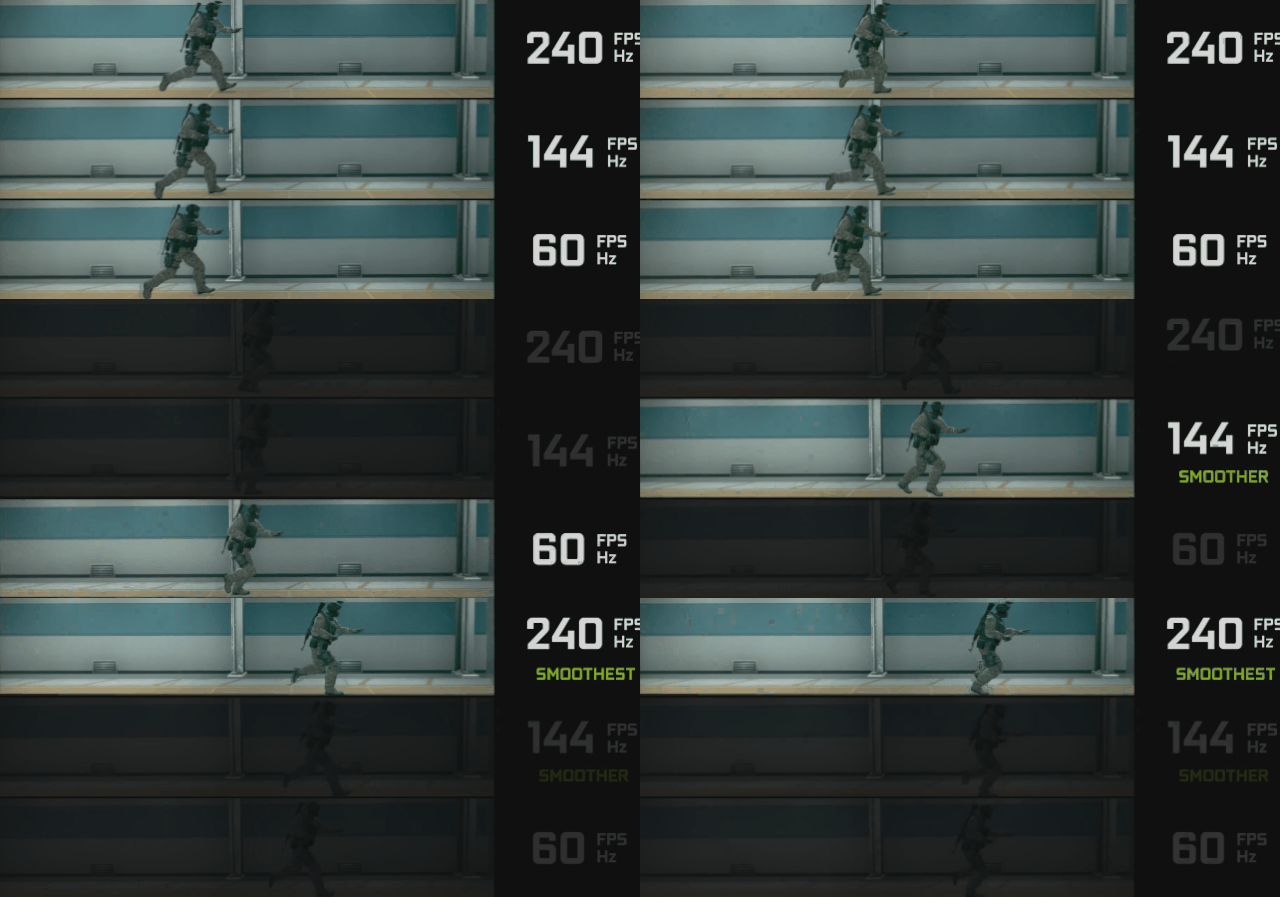
In fact, for motion scenes, a high refresh rate only delivers noticeable clarity when synchronized with a high frame rate.
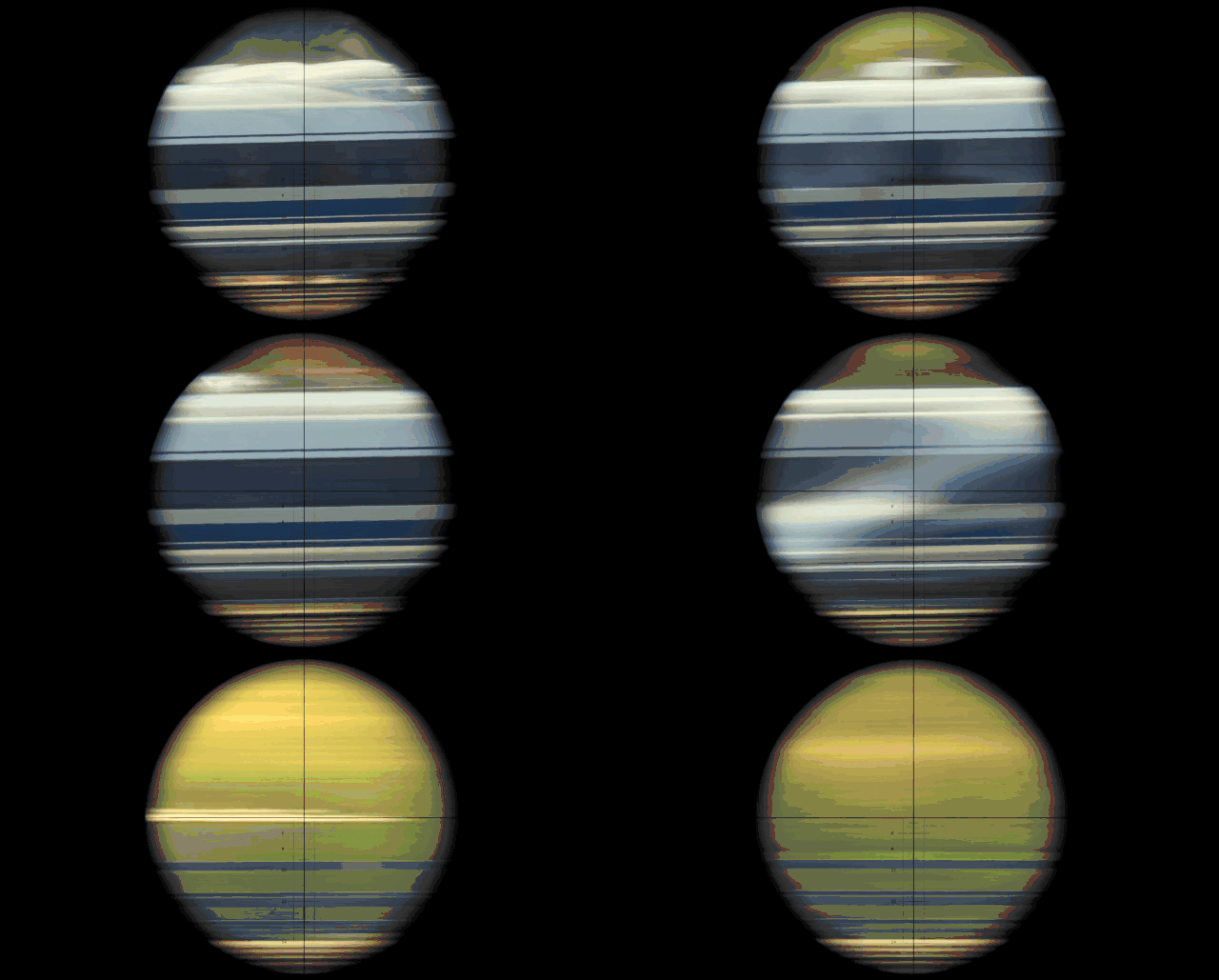
The effect of a 24-frame movie on a 60Hz screen in the above picture — even slowing it down doesn’t help.
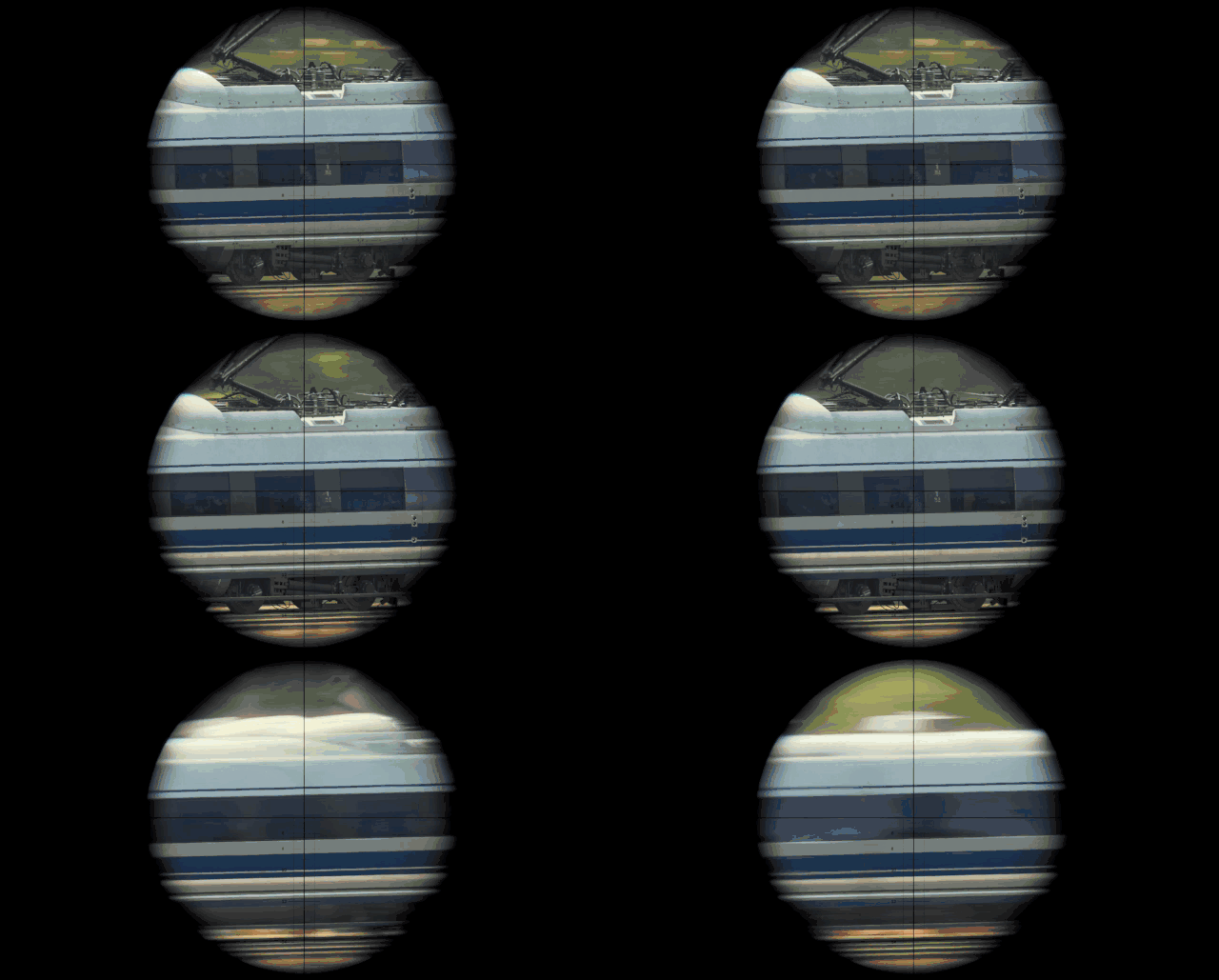 The image above shows the effect of a 120Hz LED screen displaying a 120fps movie. Slowing down the footage makes the effect even more noticeable.
3. Latency rate of high refresh rate LED displays.
A 60Hz LED display has a response time of 16.67ms. For a 120Hz screen, it’s 1000ms ÷ 60Hz, which is approximately 8.33ms, a 50% reduction.
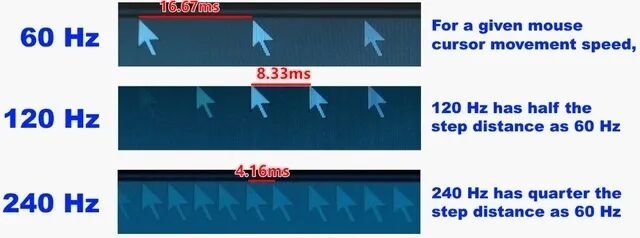 Above is a delay map of the mouse’s movement trajectory, with the advantage being smoother screen performance. Simultaneously, swiping the screen yields the experience shown below, where motion blur is noticeably reduced. Slow-motion playback effect:
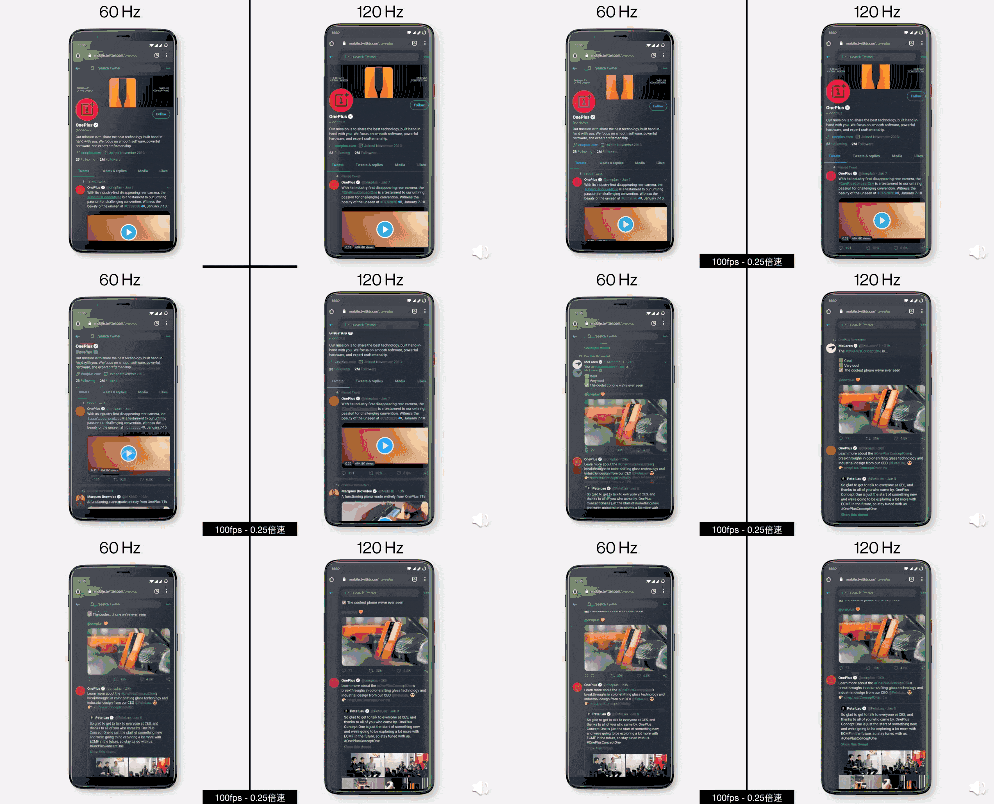
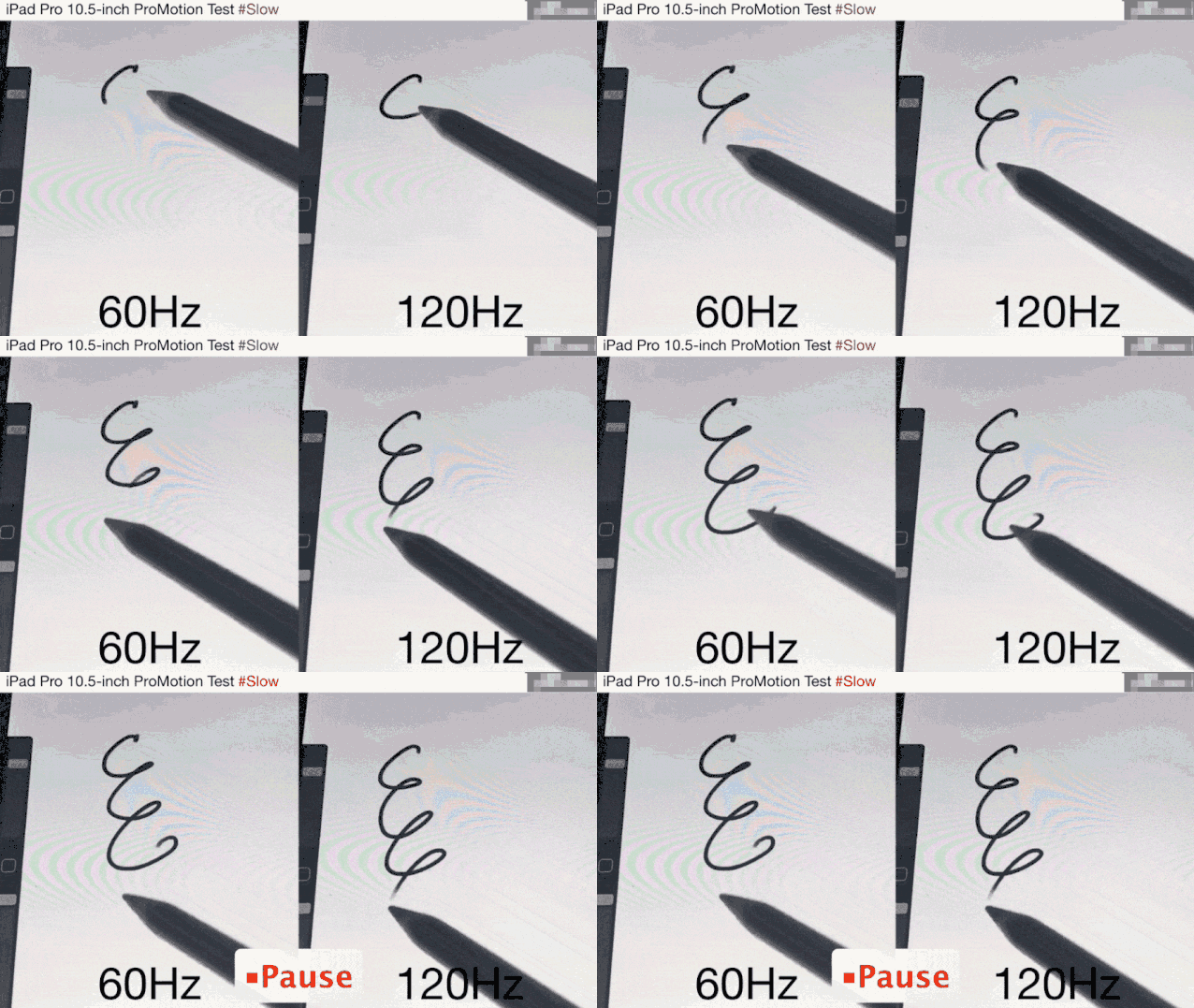
4. Capturing motion footage.
In theory, high refresh rate LED screens refresh more images per unit time than regular screens. Therefore, for motion images, more trajectory images of object movement can be observed.