+86 14775511065
  contact@mglled.com
1. Flatness
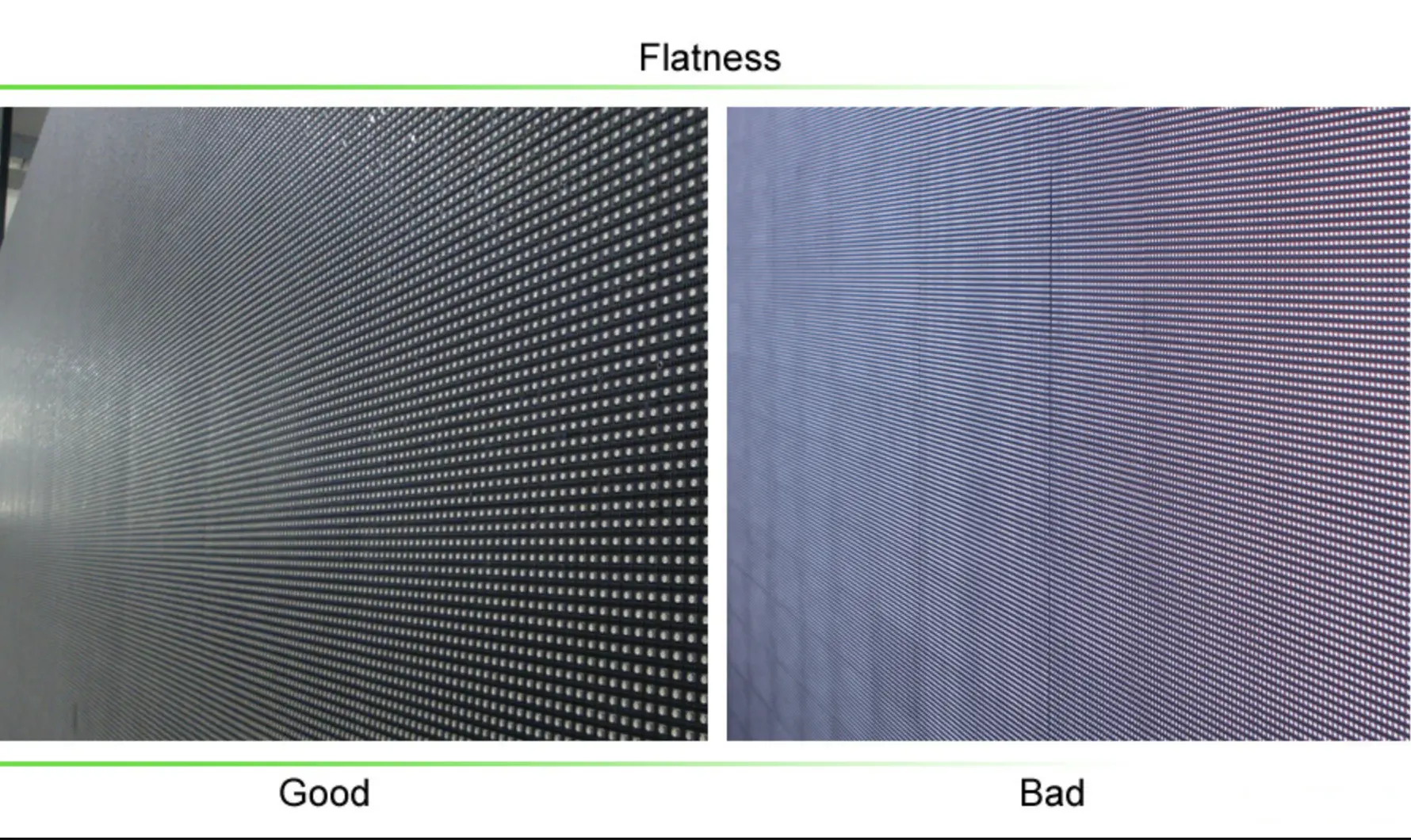
The surface flatness of the LED display should be within ± 1mm to ensure that the displayed image is not distorted. Local protrusions or indentations may cause blind spots in the viewing angle of the LED screen. The gap between modules between boxes should be within 1mm. Excessive gaps can cause clear boundaries on the display screen and visual dissonance. The quality of flatness is mainly determined by the production process.
2. Brightness and viewing angle
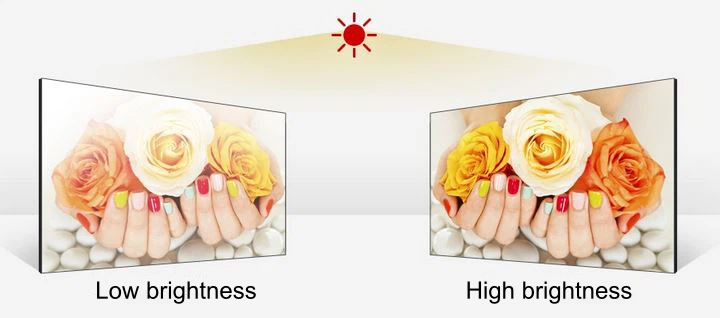
The brightness of indoor full-color LED displays should be above 300cd/㎡, and the brightness of outdoor full-color LED displays should be above 4000cd/㎡ to ensure the normal operation of the LED display. Otherwise, the displayed image may not be clear due to low brightness. The brightness of the LED display is not necessarily better the brighter it is, it should match the brightness of the LED package. Simply increasing the current and brightness will cause the LED to decay too quickly, leading to a rapid decline in the lifespan of the LED display. Manufacturers can be requested to provide parameter reports for confirmation. The brightness of the screen is mainly determined by the quality of the LED chips.
The viewing angle refers to the maximum angle at which you can see the entire screen content from both sides of the screen. The size of the viewing angle directly determines the audience of the LED display, so the larger the better. The viewing angle should be above 140 degrees. The viewing angle is mainly determined by the packaging method of the die.
3. White balance effect
The white balance effect is one of the most important indicators of a LED display. In color theory, pure white is only displayed when the ratio of the three primary colors of red, green, and blue is 1: 4.6: 0.16. If there is a slight deviation in the actual ratio, there may be a deviation in white balance. Generally, attention should be paid to whether white has a bias towards blue or yellow green. When in monochrome, the smaller the brightness difference and wavelength difference between LEDs, the better. When standing on the side of the screen, there should be no color difference or color cast, and the consistency should be good. The quality of white balance is mainly determined by the brightness wavelength ratio of LED chips and the control system of the display screen, and the color reproduction of the chips also has an impact.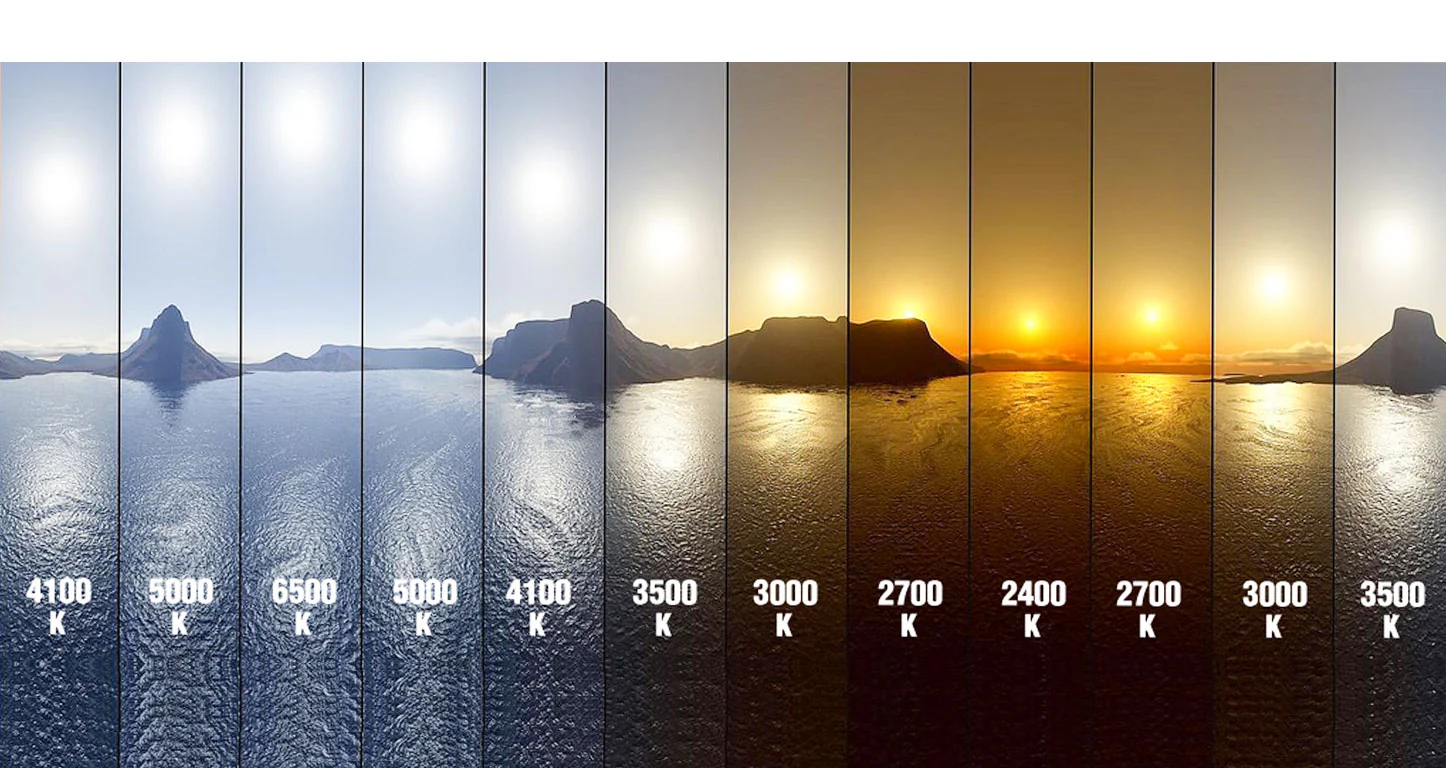
4. Color reproduction
The color reproduction refers to the color reproduction ability of the LED display, which means that the colors displayed on the screen should be highly consistent with the colors of the playback source in order to ensure the realism of the image.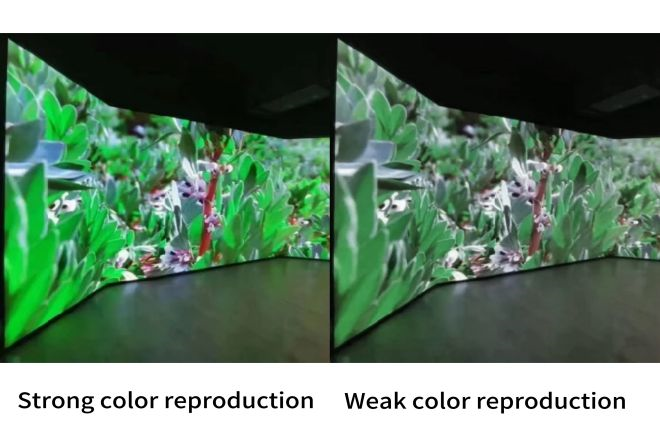
5. Whether there is mosaic or dead point phenomenon
Mosaic refers to the phenomenon of module necrosis, which is a small square on the LED display that appears constantly bright or black. The main reason is that the IC or connector used in the LED display is of poor quality. Dead point refers to a single point on the display screen that appears constantly bright or dark. The number of dead points is mainly determined by the quality of the die and whether the manufacturer’s anti-static measures are complete.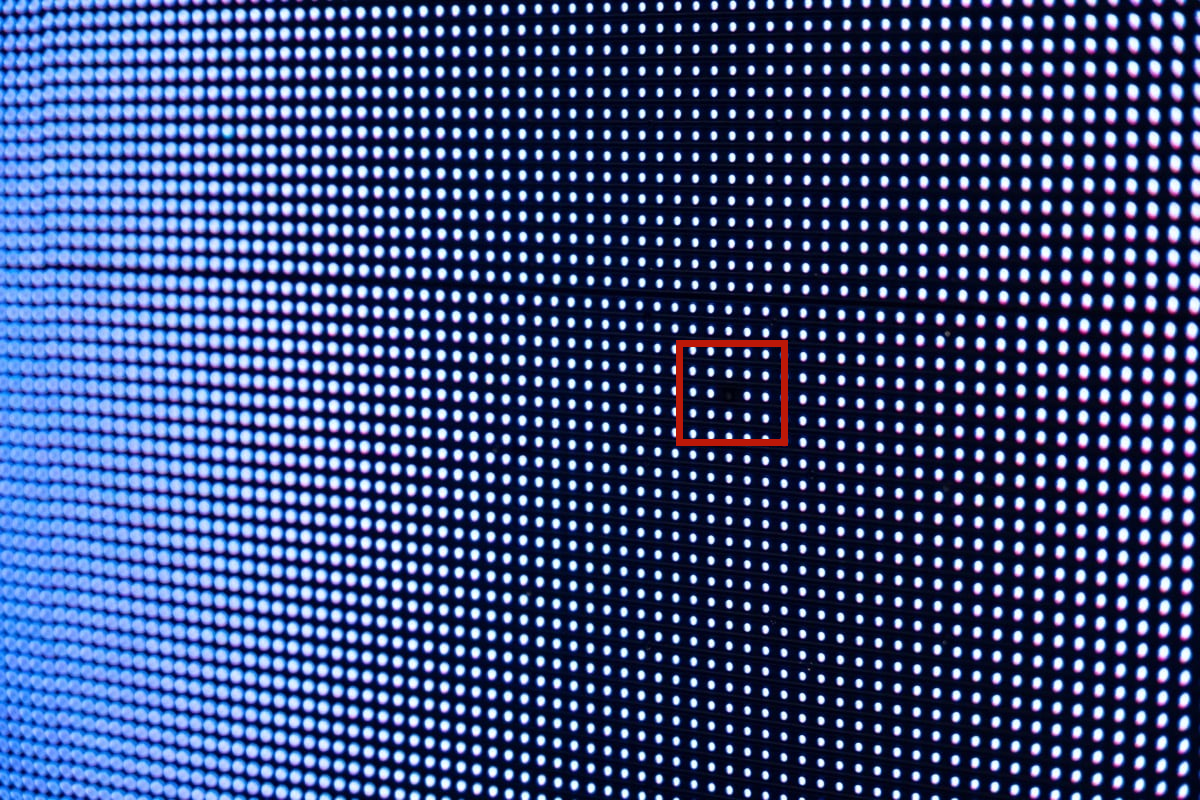
6. Whether there are color blocks
Color block refers to the significant color difference between adjacent modules, and the transition of colors is based on modules. The main cause of color block phenomenon is poor control system, low gray level, and low scanning frequency.