 +86 14775511065
  contact@mglled.com
In the competitive landscape of the hospitality industry, hotels are no longer just places to sleep; they have evolved into vibrant hubs for business socialization, cultural exchange, and leisure gatherings. As guest expectations rise, the visual environment of a hotel plays a pivotal role in defining its brand. In this digital era, the hotel LED display has emerged as a transformative tool, allowing hoteliers to blend architecture with digital storytelling to enhance service quality and captivate guests.
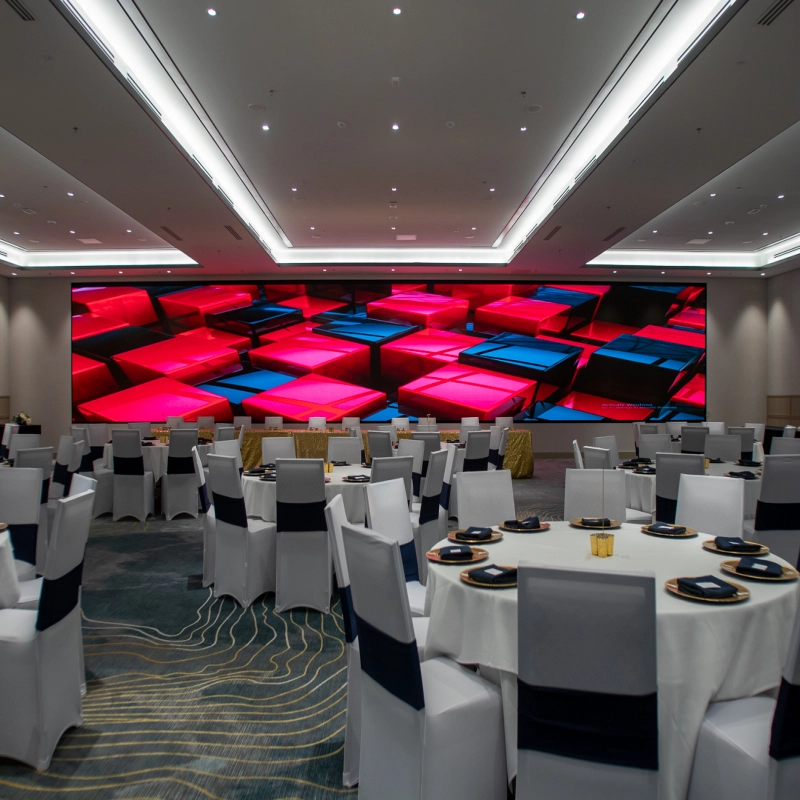
From the moment a guest steps out of their car to the minute they enter their conference room, digital signage shapes their journey. This guide explores how indoor LED display and outdoor LED display solutions are revolutionizing modern hospitality.
1. The Lobby: creating an Unforgettable First Impression
The lobby is the “face” of your hotel—it sets the tone for the entire stay. A high-definition indoor LED display in the lobby does more than just decorate the space; it acts as a dynamic concierge.
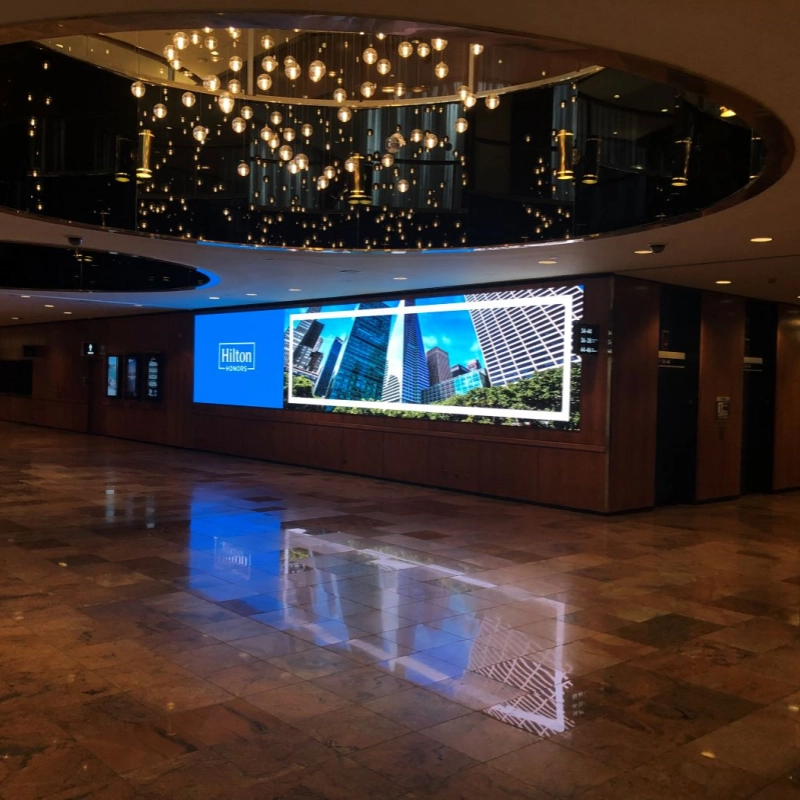
Visual Impact and Information Hub: Gone are the days of static printed posters. A hotel LED display in the lobby can loop high-resolution promotional videos, breathtaking local scenery, or artistic content that aligns with the hotel’s interior design.
Reduced Perceived Wait Time: During peak check-in hours, a captivating screen keeps guests entertained, effectively reducing the psychological frustration of waiting in line.
Real-Time Information: Use the screen to display world clocks, local weather forecasts, and flight information.
Upselling Opportunities: subtly promote on-site amenities such as spa packages, happy hour specials at the bar, or room upgrades, driving revenue while guests are most receptive.
By integrating an indoor LED display behind the reception desk or on a feature wall, hotels create a modern, tech-savvy atmosphere that resonates with today’s digital-native travelers.
2. Banquet Halls: The Versatile Chameleon
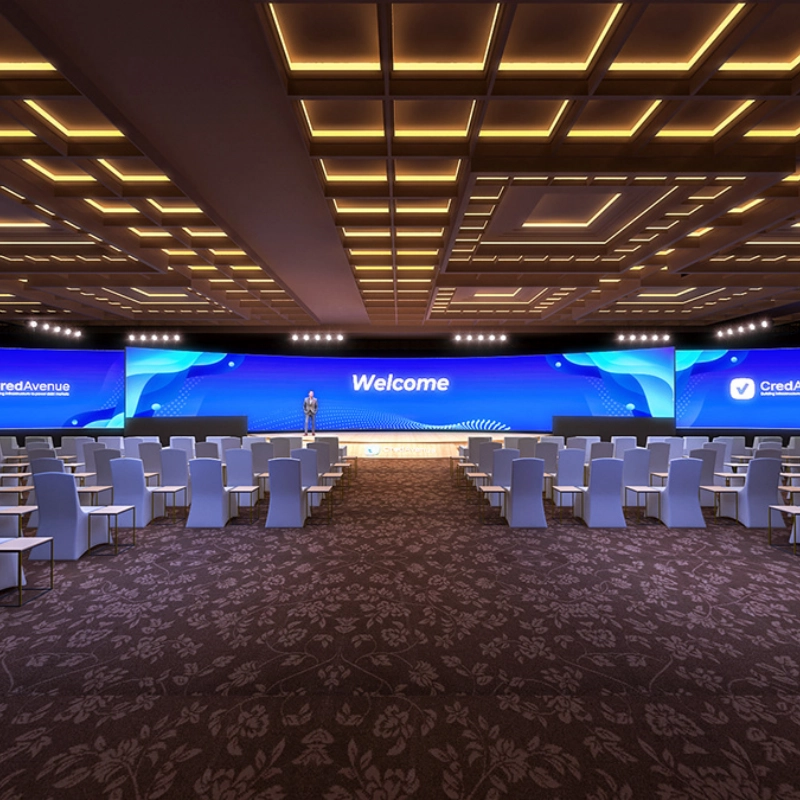
Banquet halls are the revenue engines of many hotels, hosting everything from romantic weddings to corporate galas. The challenge has always been adapting a single room to vastly different moods. Indoor LED display technology solves this instantly.
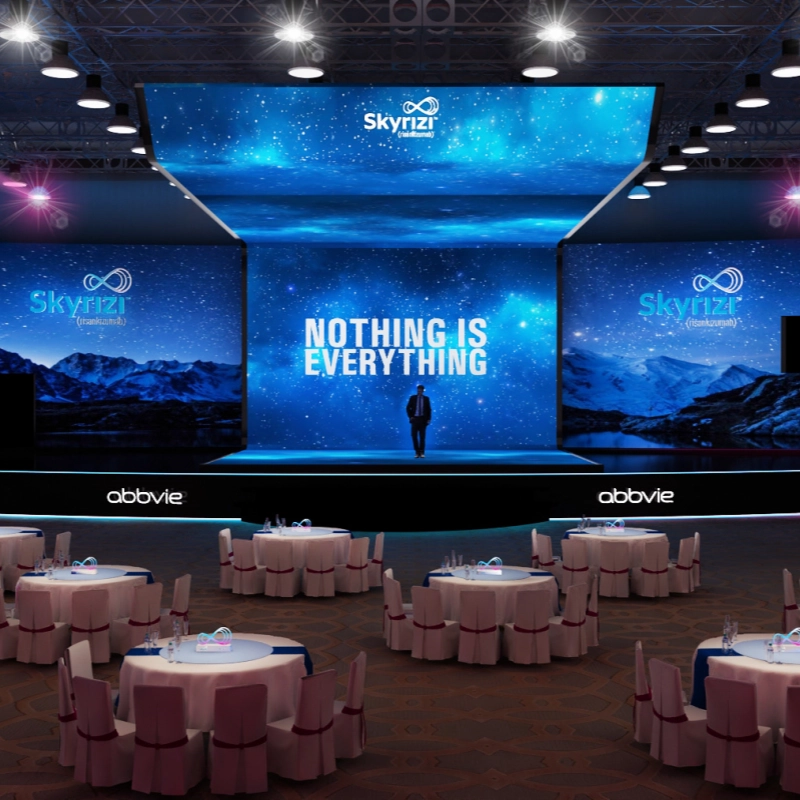
Immersive Atmospheres: A large-scale hotel LED display serves as an immersive backdrop that replaces traditional, wasteful physical decorations.
Weddings: Display romantic, animated floral backgrounds or a montage of the couple’s photos, creating a personalized emotional experience.
Corporate Events: Instantly switch to sharp, branded content, sponsor logos, and high-contrast presentation slides.
The Rental Advantage: For banquet halls, flexibility is key. Many hotels opt for modular, rental-type LED cabinets. These indoor LED display units are lightweight, easy to assemble, and quick to dismantle. This allows the hotel’s event team to resize the LED screen based on the event scale—creating a massive LED video wall for a gala or a smaller presentation screen for a workshop.
3. Conference Rooms: Powering Smart Collaboration
Business travelers demand efficiency and top-tier technology. Traditional projectors often suffer from low brightness and poor contrast, requiring the lights to be dimmed—which can induce drowsiness.
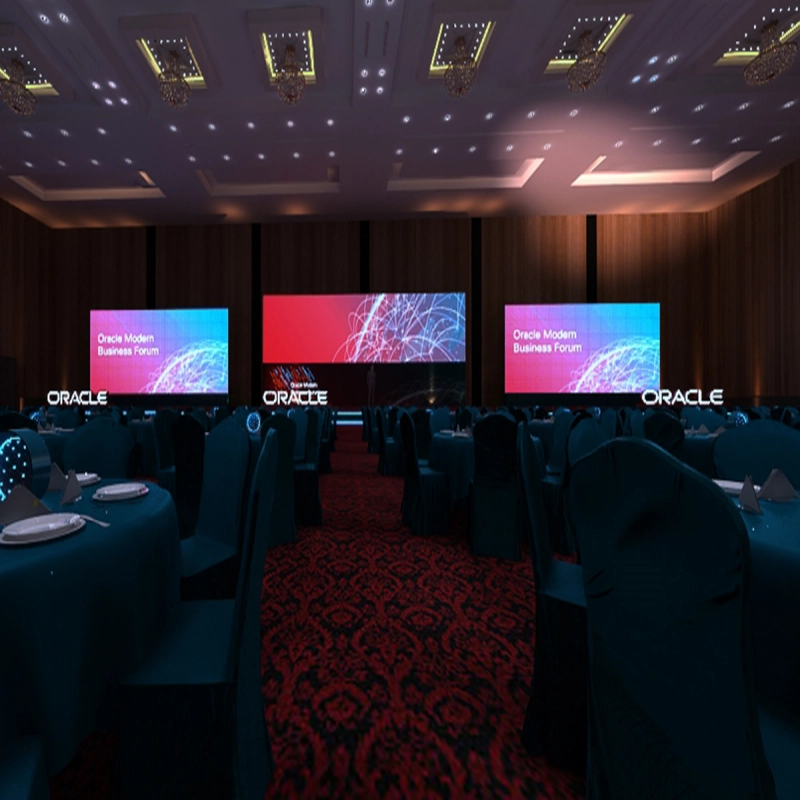
The Direct-View LED Difference: Replacing projectors with a fine-pitch indoor LED display transforms the meeting experience.
High Brightness: LED screens remain vivid even under bright office lighting, allowing for better eye contact and note-taking.
Seamless Interactivity: Modern systems support multi-screen splitting, real-time annotation, and wireless casting. This ensures that every attendee, whether in the room or joining virtually, has a clear view of the content.
By upgrading to a professional hotel LED display system in meeting rooms, hotels can justify higher rental rates for their business centers and attract premium corporate clients.
4. Outdoor Entrances: The Beacon of Your Brand
Your hotel’s exterior is its 24/7 billboard. An outdoor LED display installed at the entrance or on the lintel is crucial for capturing the attention of passersby and reinforcing brand identity.
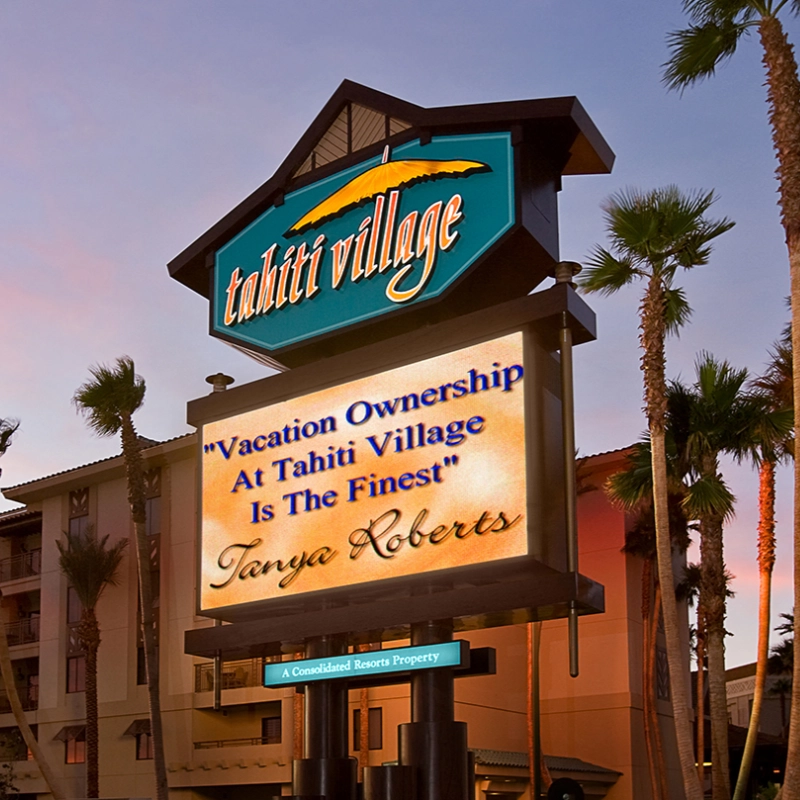
Curb Appeal and Advertising: An outdoor LED display must be bright enough to compete with direct sunlight (typically requiring 5,000+ nits of brightness) and durable enough to withstand rain, dust, and temperature extremes.
Brand Visibility: clearly display the hotel name and star rating with animated effects that static signs cannot achieve.
Promotional Reach: Showcase current dining specials, wedding expo dates, or seasonal room offers to foot traffic, turning passersby into potential customers.
Wayfinding: In large resort complexes, outdoor LED screens can guide guests to parking, entrances, or specific event halls, improving the arrival experience.
Investing in a high-quality outdoor LED display ensures that your property stands out in the urban nightscape, signaling luxury and modernity.
5. Transparent LED Displays: The Architectural Future
One of the most exciting trends in hospitality design is the transparent LED screen. These innovative displays are installed on glass windows, partitions, or atrium walls.
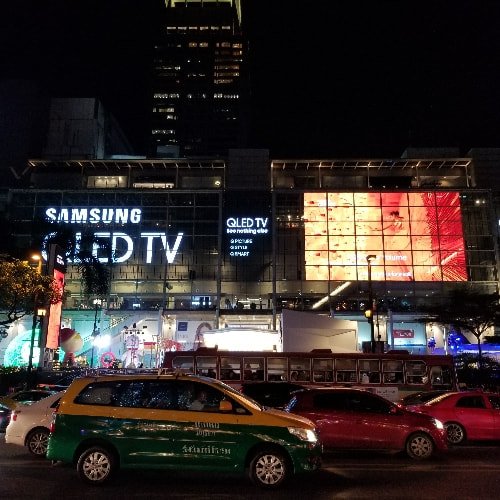
Aesthetics Meets Technology: With transparency rates ranging from 60% to 80%, these screens allow natural light to filter into the building while displaying dynamic content to viewers on the outside.
Unobstructed Views: Guests inside the lobby can still see out, preventing the “boxed-in” feeling of traditional solid screens.
Modern Art: They are often used for “media facades”—turning the building’s glass exterior into a digital canvas at night without ruining the architectural look during the day.
This technology allows a hotel LED display to be a seamless part of the building’s DNA rather than an afterthought.
Technical Guide: Choosing the Right Specifications
Selecting the correct hotel LED display requires understanding a few key technical concepts, primarily Pixel Pitch.
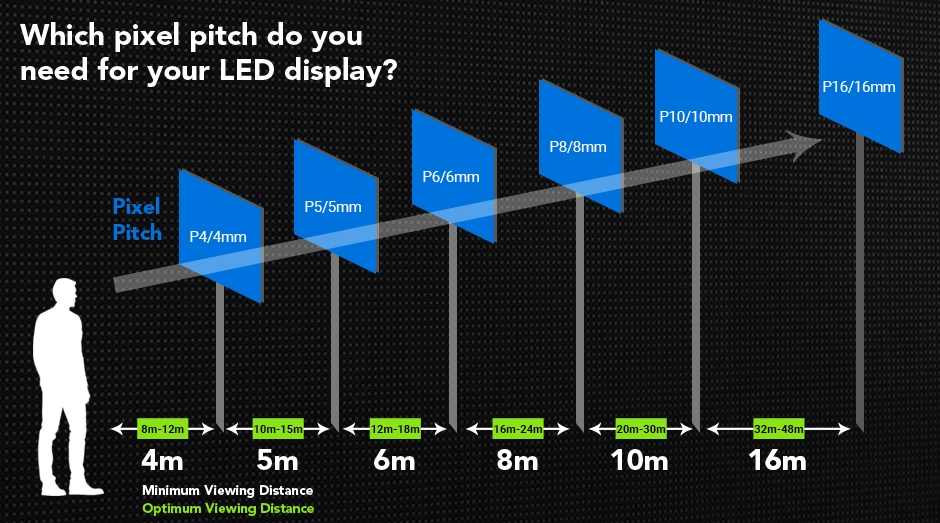
Pixel Pitch (P) is the distance between the center of two adjacent LED pixels, measured in millimeters.
Smaller Pitch (e.g., P1.5): Higher pixel density, sharper image, higher cost. Best for close viewing.
Bigger Pitch (e.g., P4): Lower pixel density, lower cost. Best for long-distance viewing.
Selection Recommendations:
Luxury Lobbies & Boardrooms (Indoor LED Display): Recommended: P1.2, P1.5, or P1.8.
Reason: Viewers are standing very close (1–3 meters). You need a “Retina-like” display where individual pixels are not visible to ensure a premium feel.
Banquet Halls & Ballrooms:Recommended: P2.5 or P3.
Reason: The audience is usually seated 3–5 meters away. P2.5 offers the perfect balance of crisp resolution and budget efficiency for large walls.
Building Facades & Entrances (Outdoor LED Display): Recommended: P4, P5, P6, or P10.
Reason: Viewing distances are typically 10 meters or more. A smaller pitch is unnecessary and wasteful. Focus instead on brightness and waterproofing (IP65 rating).
Future Trends: Smart Hotels and Green Tech
As we look toward the future, hotel LED display technology is becoming smarter and greener.
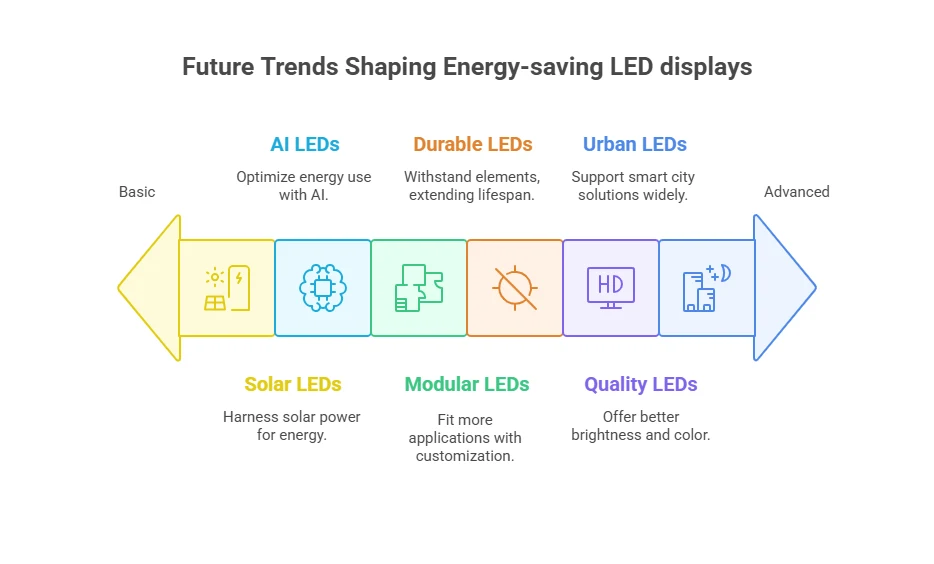
Energy Efficiency: Modern “Common Cathode” LED technology reduces heat generation and power consumption by up to 30%, helping hotels meet green energy standards.
AI Integration: Future LED displays will use cameras and AI to analyze lobby traffic demographics, automatically adjusting content—showing kid-friendly activities when families are present or business news during morning rush hour.
Interactive Experiences: We are seeing a shift from passive viewing to active engagement. Touch-enabled indoor LED display kiosks allow guests to self-check-in, explore digital maps, or book dinner reservations with a tap.
Conclusion
The integration of digital signage is no longer a luxury; it is a necessity for modern hospitality. By strategically deploying a hotel LED display network, you create a seamless flow of information and entertainment that enhances every touchpoint of the guest journey.
Whether it is a high-resolution indoor LED display that simplifies a conference presentation, or a vibrant outdoor LED display that invites the city into your lobby, these tools are essential for building a brand that feels current, welcoming, and premium.
To ensure your hotel remains ahead of the curve, it is vital to choose the right pixel pitch and installation type for your specific needs. By doing so, you not only elevate your visual aesthetic but also improve operational efficiency and customer satisfaction.