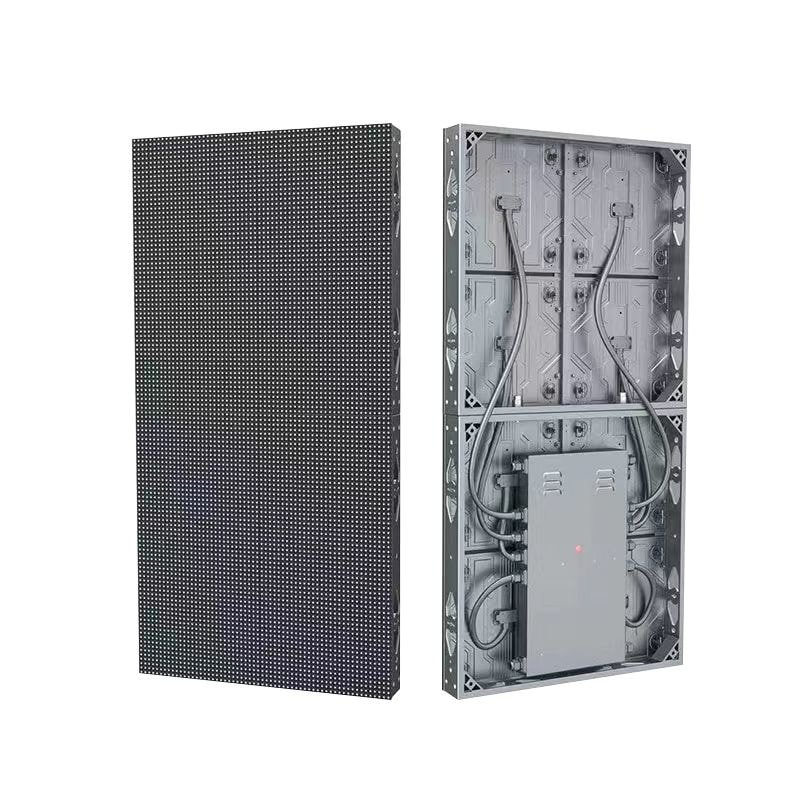
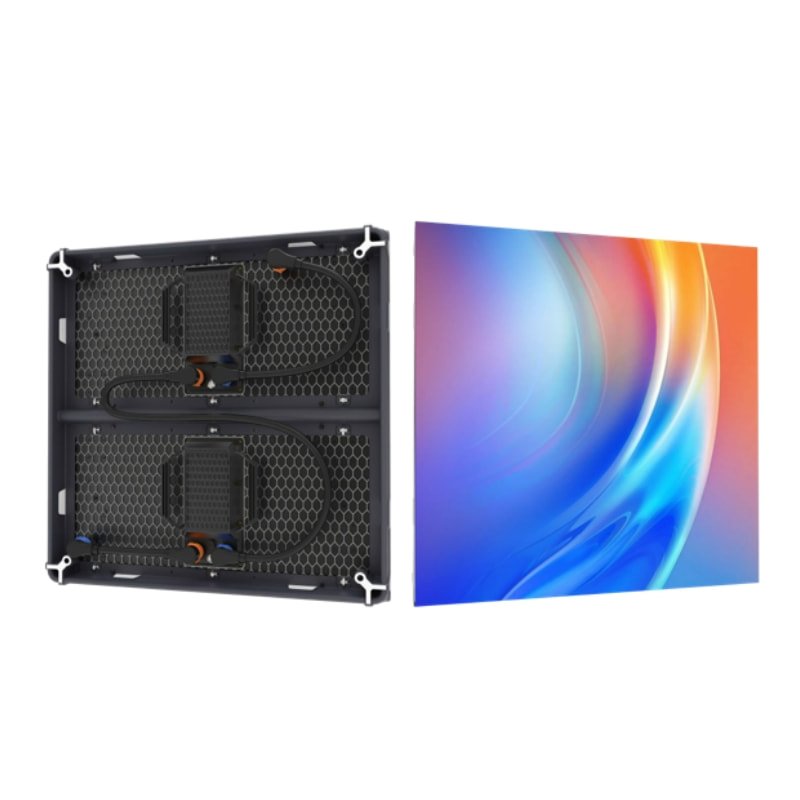
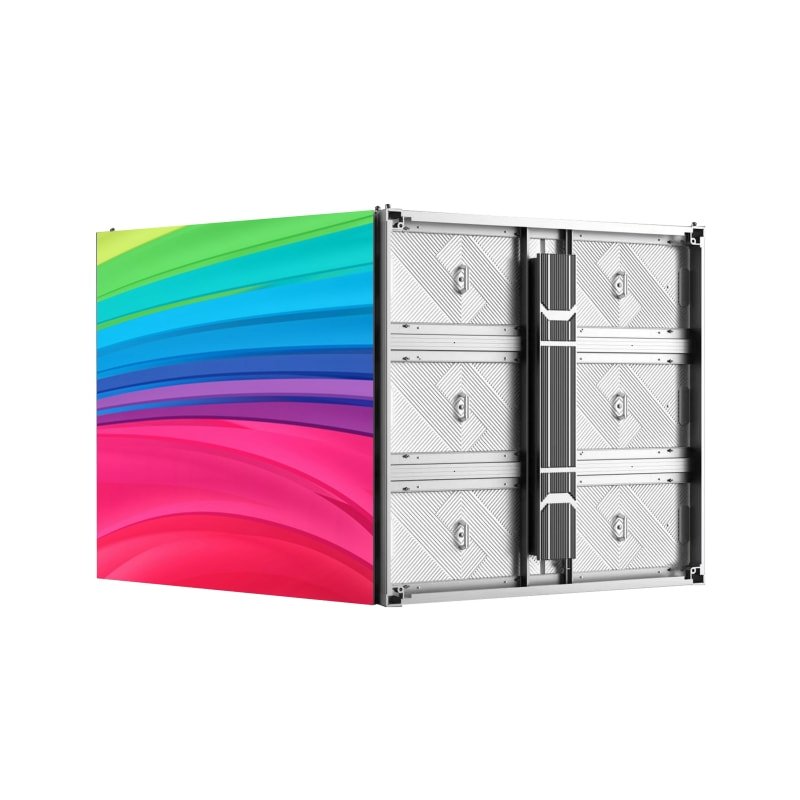
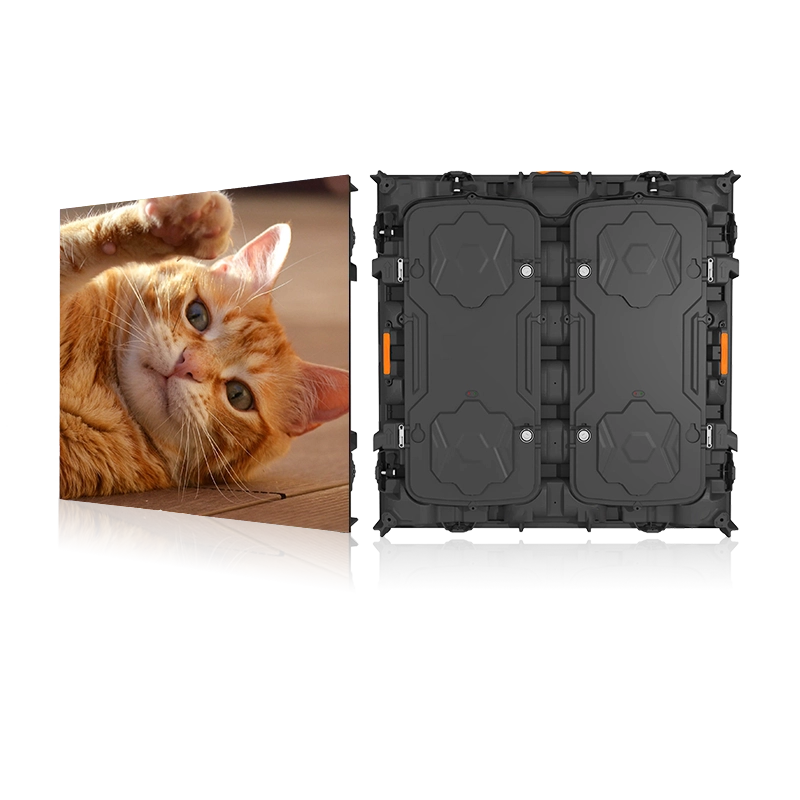
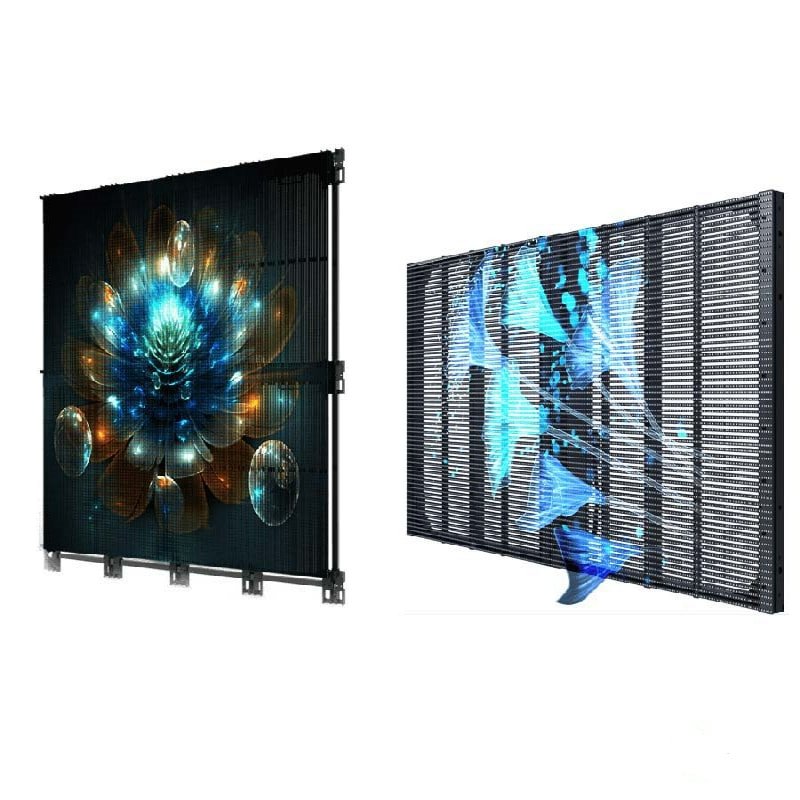
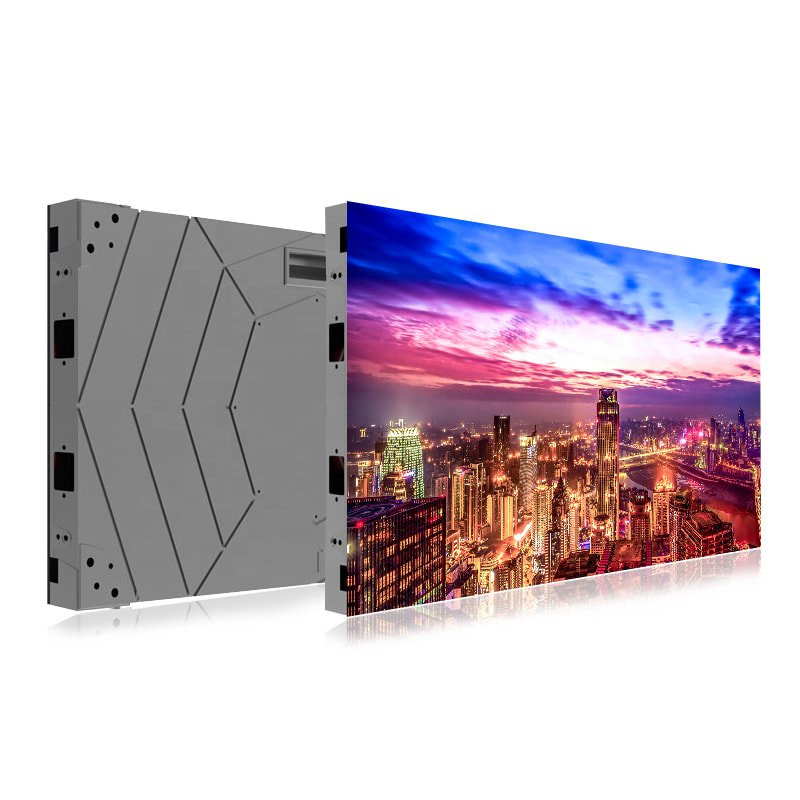
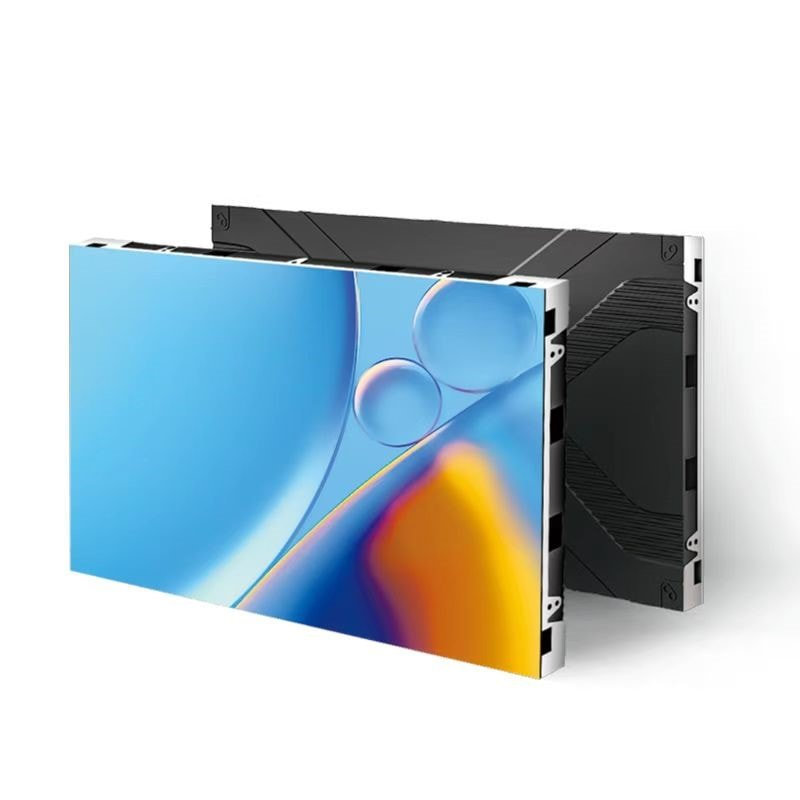
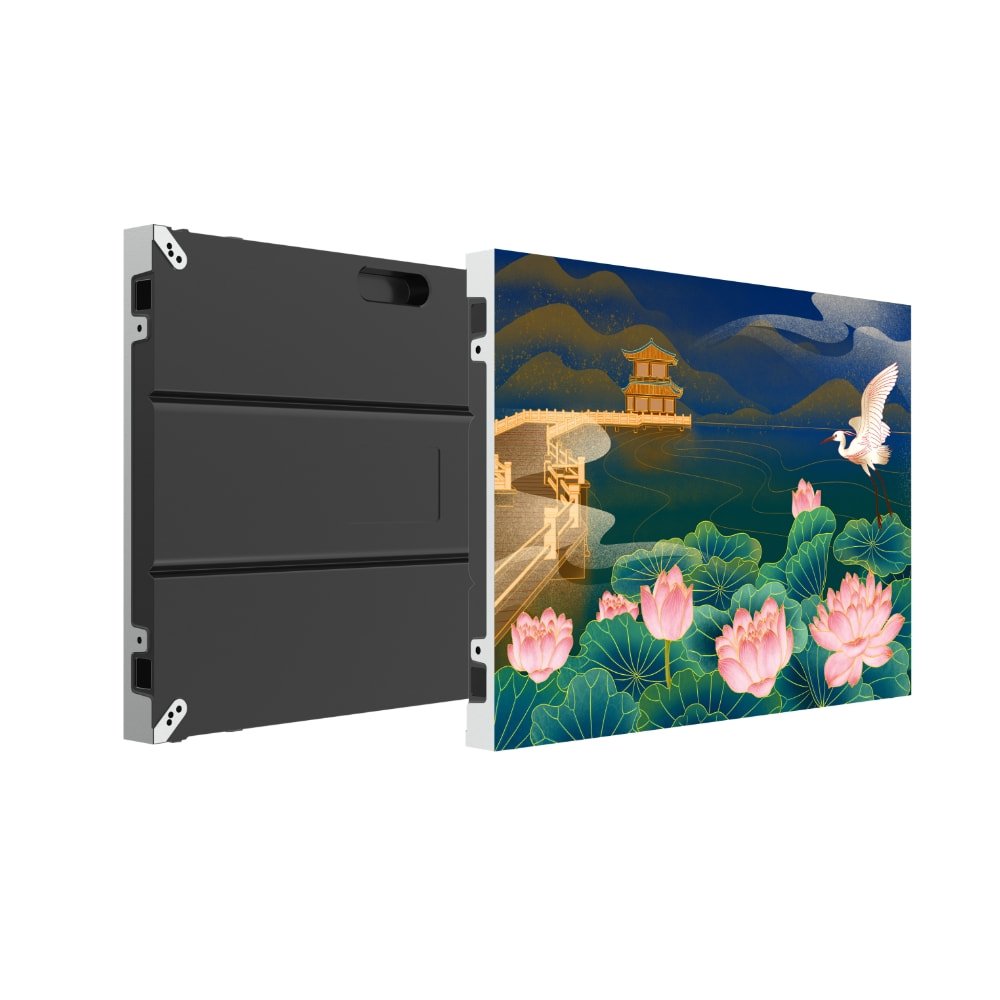
LED display For Museum
LED Displays for Museums: Bridging History with Technology
Museums are no longer just places to observe the past — they are immersive learning environments that combine culture, art, and technology. In this modern evolution, LED displays are playing a crucial role in transforming how visitors experience and interact with exhibitions.
Whether used for digital storytelling, exhibit enhancement, or visitor guidance, LED displays in museums offer vibrant visuals, dynamic content delivery, and real-time updates that enrich the educational experience.
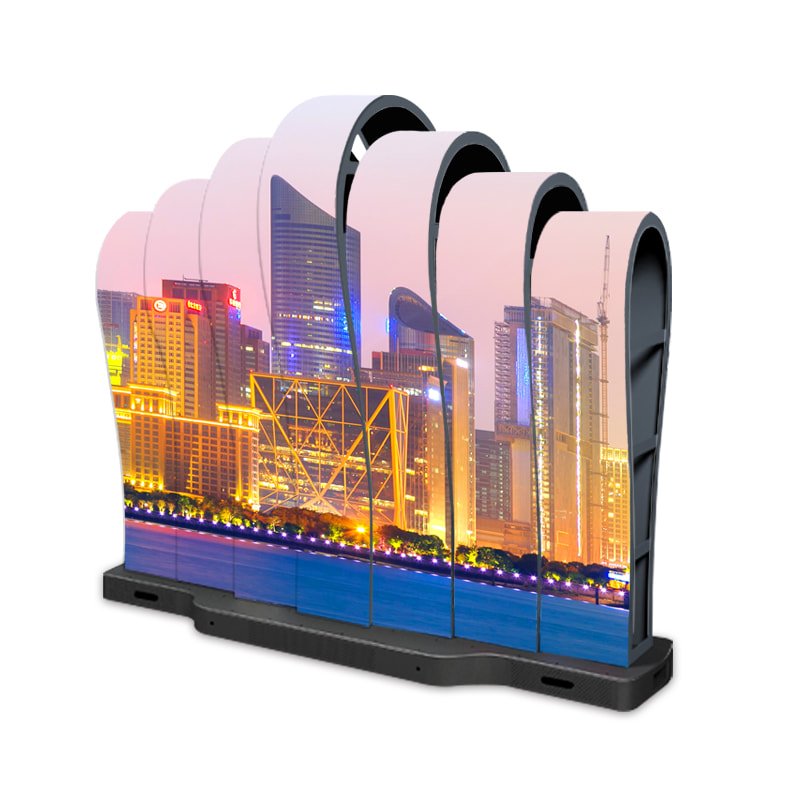
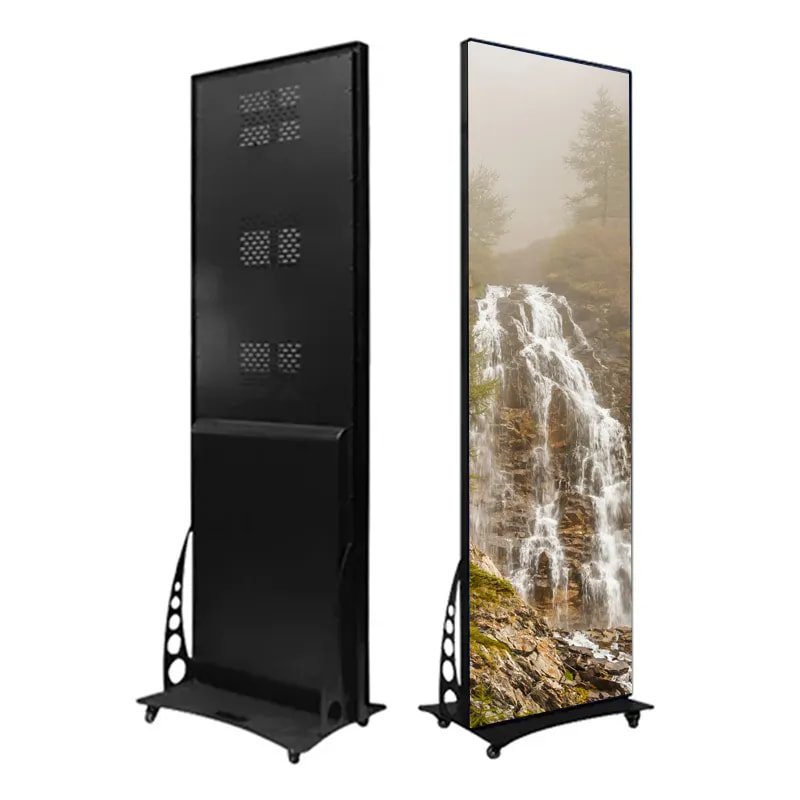
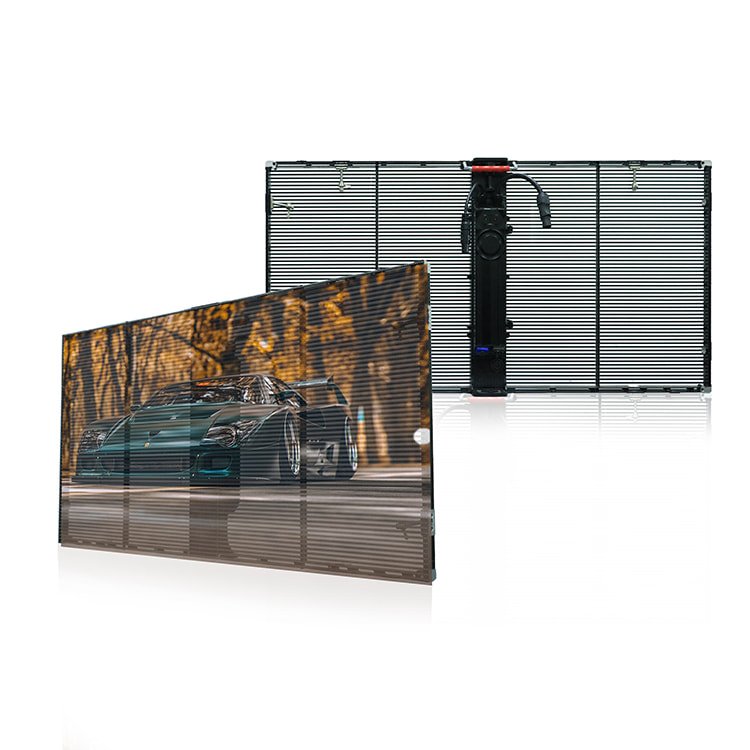
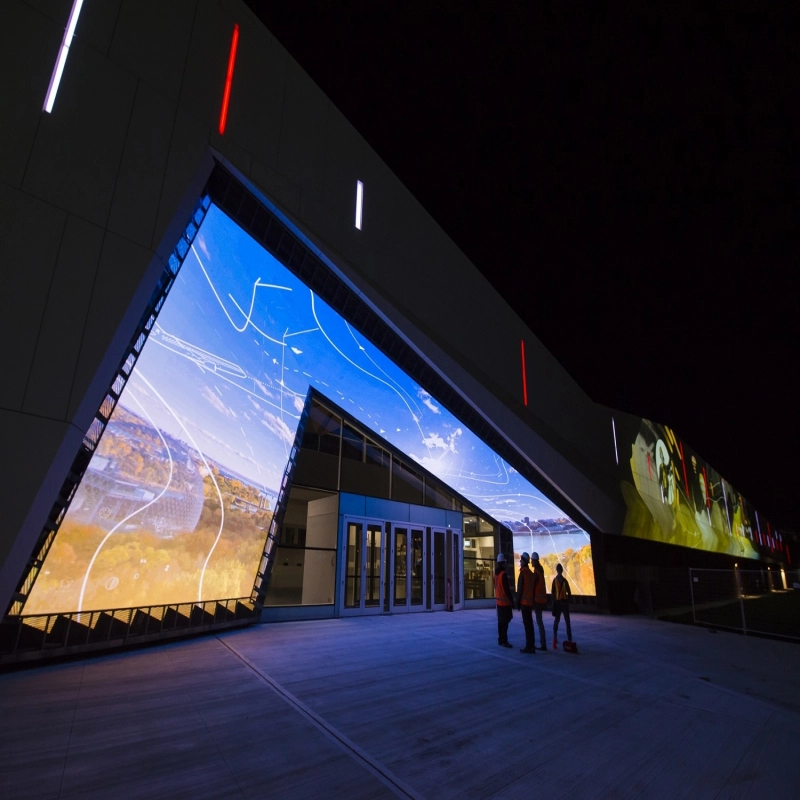
Museum LED Display Screen Solutions
LED Display Screen Price Check
Quick and easy: Enter your specifications and get a quote in one business day
Why You Need LED Display for Museum
♦
Enhance Visitor Engagement
LED displays allow curators to create interactive exhibits that bring history to life. Museum visitors will remember and cherish their experience, making them more likely to return or recommend the museum to others.
♦
Deliver Immersive Storytelling
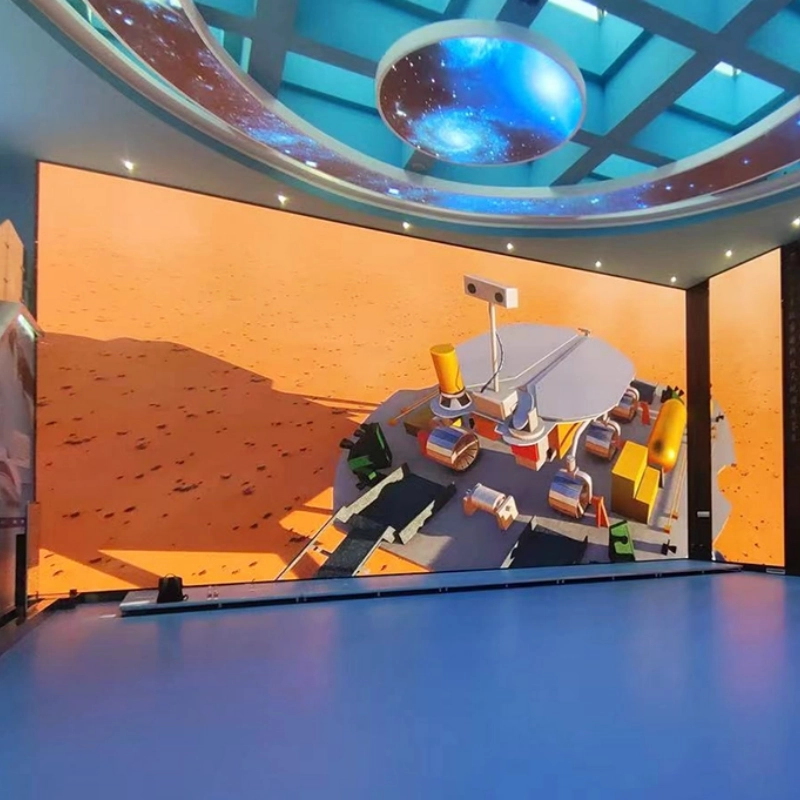
With LED displays, museums can utilize 3D visuals, augmented reality, and video presentations to turn static exhibitions into immersive, multisensory environments. Imagine a natural history museum showcasing the formation of the Earth in vivid, high-definition animations that envelop visitors in the story.
♦
Update Content
LED displays installed in the museum offer real-time content updates, allowing for quick changes to airport information and flight schedules with just a few clicks with WIFI, Phone, 4G/5G, etc.
♦
Allow for Dynamic and Adaptive Exhibits
Digital LED screens eliminate the need to redesign physical exhibitions every time an update is required. Content on LED screens can be quickly updated, allowing museums to adapt to changing exhibitions, themes, or events without additional physical setup.
♦
Protect Valuable Artifacts
Rather than exposing delicate and priceless artifacts to excessive light, heat, or physical handling, museums can use digital LED displays to showcase high-resolution reproductions or animations of the exhibits. This protects the integrity of the objects while still giving visitors a thorough, up-close experience.
♦
Improve Accessibility for All Visitors
LED displays can make exhibitions accessible for people with different needs, such as by providing subtitles, sign-language videos, or detailed visual illustrations for those who cannot see solid objects well.
Common Applications of LED Displays In Museum

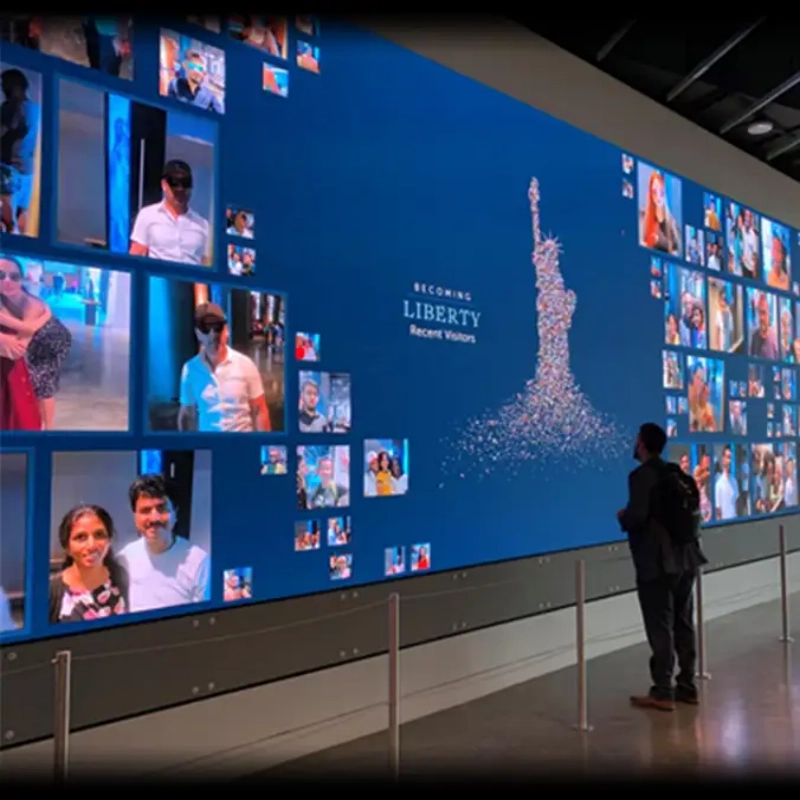
Museum Entrances and Lobbies
The entrance or main lobby is often the first point of contact between visitors and the museum. Installing an LED display in this space creates an impactful first impression.
It can display:
- Welcome messages
- Informational content about ongoing exhibitions
- Museum history or mission
- Visitor safety tips and museum maps
- Museum name, date, time, etc
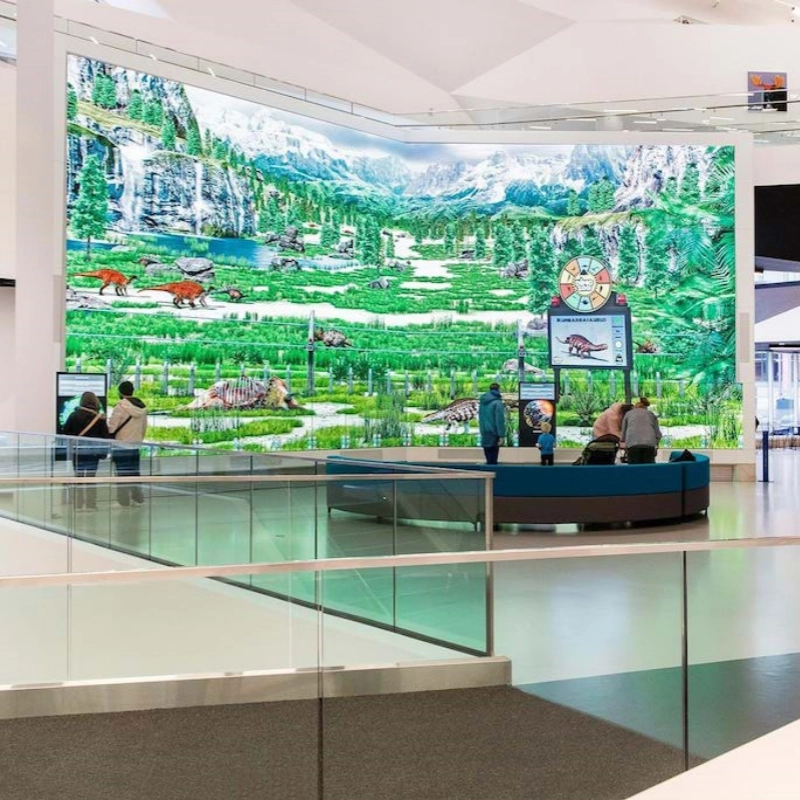
Exhibition Halls and Gallery Centers
Exhibition halls are where the most important artifacts, artworks, and exhibits are displayed. LED displays here can enhance the storytelling element of the exhibits, making history, science, and art come alive.
It can display:
- Animated videos or 3D renderings of historical scenes
- Detailed breakdowns of artifact features, such as material, origin, and historical significance
- Virtual tours of inaccessible locations relevant to the exhibit
- Extended reality (XR)reconstructions or time-lapse animations (e.g., showing the evolutionary process, architectural development, or historical battles)
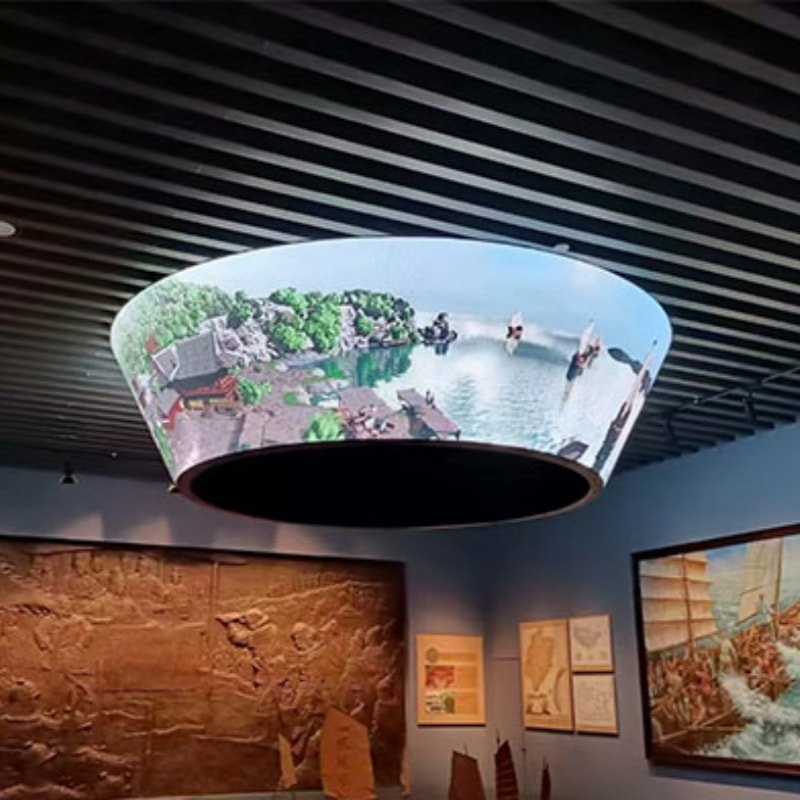
Resting Areas and Lounges
Visitors often take breaks between touring exhibits, offering a great opportunity for a museum to continue storytelling or provide light entertainment.
It can display:
- Videos about museum-sponsored projects, research, or partnerships
- Slideshows or animations related to exhibits
- Quizzes and polls to keep visitors engaged
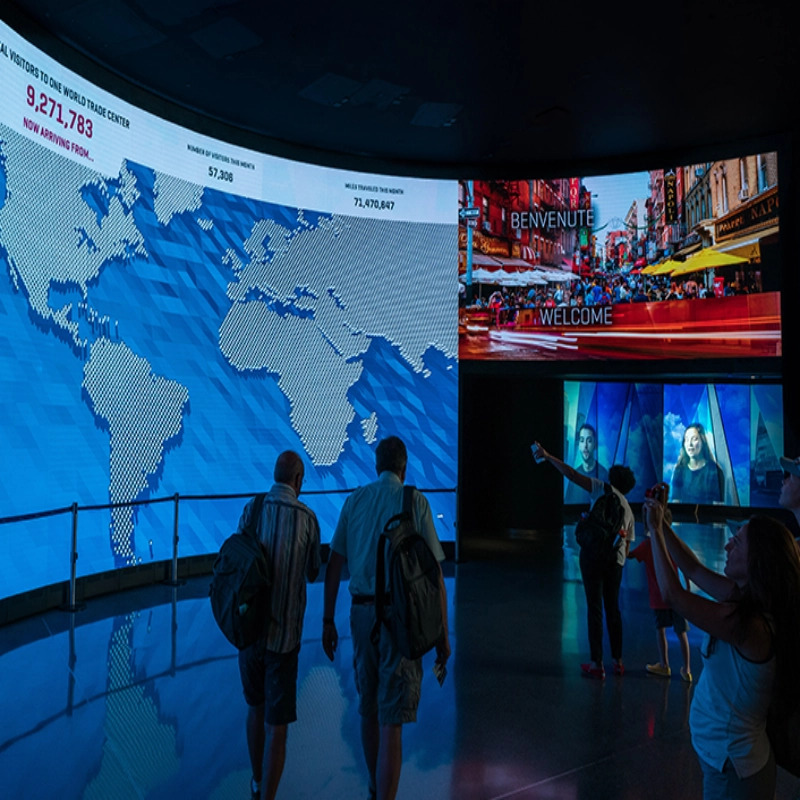
Ceilings and Vertical Walls
Certain museums benefit immensely from the use of unconventional locations such as ceilings or vertical spaces, to add another layer of immersion.
It can display:
- Historical timelines or key museum highlights
- Real-time quizzes or trivia games to entertain visitors as they move between exhibits
- Museum facts or interesting details about works in the next exhibit
Corridors and Walkways
Corridors of museums can often feel like empty transitional spaces, but they can be transformed into engaging zones with LED displays.
It can display:
- Historical timelines or key museum highlights
- Visitor safety tips and museum maps
- Museum facts or interesting details about works in the next exhibit
- Emergency announcements and notifications
Seminar and Lecture Halls
Many museums host workshops, lectures, and events. Equipping these spaces with LED displays elevates both functionality and visitor experience
It can display:
- Presentations, live streams, or lecture materials
- Interactive polls or Q&A sessions during events
- A comprehensive introduction to the museum
- Display attendee information
Benefits of LED Displays in Museums
♦
Engages All Age Groups
Dynamic content and interactivity help draw in children, teens, and adults alike, creating a memorable experience.
♦
Brings Exhibits to Life
LED screens can animate still exhibits, simulate historical environments, and add audio-visual depth to storytelling.
♦
Flexible and Cost-Effective
Unlike printed materials, digital displays can be updated regularly to accommodate new content or exhibits.
♦
Promotes Accessibility
Display subtitles, audio guides, or visual aids to serve visitors with hearing or vision challenges.
♦
Increases Visitor Retention
Interactive and engaging experiences encourage visitors to explore more and stay longer.
LED Display Screen Price Check
Quick and easy: Enter your specifications and get a quote in one business day